by administrator | Oct 10, 2026 | Uncategorized
Why Every Riverside Home Seller Needs Digital Title Insurance for Their Listing
Selling your beautiful Riverside home should be an exciting milestone, not a process bogged down by paperwork and last-minute surprises. But the unique nature of waterfront properties can often lead to complex, slow, and stressful closings. The very features that make your home desirable—the proximity to water, the private dock, the stunning views—can introduce layers of legal history that need careful examination.

At homes-in-riverside.com, we specialize in showcasing the unique value and appeal of waterfront homes. We understand the specific challenges and opportunities that come with these prized properties, from navigating riparian rights to highlighting stunning river views. Our expertise is built on providing sellers and buyers with the critical information they need to make smart decisions about waterfront river homes.
One of the biggest hurdles in any sale is the title search and insurance process, which can uncover issues that delay or even derail a deal. This step ensures the property’s ownership is free and clear, but the traditional method can be painfully slow. Fortunately, a modern solution—Digital Title Insurance—is changing the game for sellers, offering a faster, more transparent, and secure path to the closing table. This article will explain why every Riverside home seller needs to consider digital title insurance to gain a competitive edge, reduce stress, and ensure a smoother sale for their unique listing.
Key Takeaways
- Digital Title Insurance uses technology to accelerate the title search and closing process, often reducing closing times by days or even weeks.
- For Riverside properties, it can proactively identify and help resolve complex waterfront-specific issues like easements, boundary lines, and access rights.
- Sellers who use digital title insurance can make their listings more attractive to buyers by offering a faster, more secure, and transparent transaction.
- This modern approach minimizes the risk of last-minute delays or deal collapses caused by unforeseen title problems.
TL;DR
For sellers of Riverside homes, Digital Title Insurance streamlines the complex closing process, resolves unique waterfront property issues faster, and provides a competitive advantage by making your listing more appealing to buyers seeking a smooth, secure transaction.
Traditional Title Insurance Is a Crucial but Often Slow Part of Any Home Sale
The traditional, paper-based title insurance process can be a significant bottleneck in a real estate transaction, especially for properties with complex histories like those found along a river. While essential for a secure sale, its manual nature often introduces delays that can frustrate both sellers and buyers.
What Title Insurance Actually Protects
Before diving into the process, it’s important to understand the purpose of this protection.
Think of it as a comprehensive background check for your property. It ensures that no old claims, hidden liens, ownership disputes, or clerical errors from the past can emerge to challenge the new owner’s rights to the property. Without it, you or your buyer could be held responsible for a previous owner’s unpaid property taxes or a contractor’s lien, creating a legal and financial nightmare. Understanding closing costs, including title insurance, is a fundamental part of any home sale.
The Traditional Process: A Manual Search Through Public Records
The conventional method for verifying a property’s title is a labor-intensive affair. A title professional, or abstractor, must manually sift through decades of public records. This often involves physical trips to county courthouses, poring over dusty ledgers, and reviewing microfilm to trace the property’s ownership history.
This process is fraught with potential delays:
- Waiting for municipal offices to respond to record requests.
- Correcting clerical errors found in historical documents.
- Coordinating with multiple parties—lenders, attorneys, surveyors—via phone and email.
- Deciphering handwritten documents that may be ambiguous or damaged.
Each of these steps adds time to the closing timeline, creating uncertainty for everyone involved in the transaction.
Common Title Issues Found in Riverside Properties
The complexities of the traditional process are magnified when dealing with waterfront properties. These homes often have unique legal histories tied to the water they border. For a Riverside seller, a standard title search might uncover issues such as:
- Undocumented Easements: A neighbor or community may have a legal right to cross your property to access the river, even if it’s not clearly documented in recent deeds.
- Boundary Line Disputes: Riverbanks can shift over time due to erosion or accretion, leading to disputes over the exact location of property lines.
- Riparian Rights Conflicts: Issues concerning the right to use the water, build a dock, or prevent upstream activities from affecting your property can be complex and may not be clearly defined.
- Old Liens or Covenants: A lien from a long-forgotten construction project on a dock or seawall, or a restrictive covenant limiting how the waterfront can be used, could suddenly surface and jeopardize the sale.
Uncovering these issues late in the game can bring negotiations to a grinding halt, which is why a more modern approach is so valuable.
Digital Title Insurance Modernizes the Closing Process, Offering Speed and Transparency
Digital title insurance leverages technology to transform the slow, manual search process into a streamlined, secure, and transparent experience. This modern solution uses advanced systems to deliver faster results and greater peace of mind for sellers of unique properties like beachfront homes and riverside estates.
Defining “Digital Title Insurance”: More Than Just a PDF
It’s a common misconception that “digital” simply means emailing documents instead of faxing them. The reality is far more sophisticated.
Digital Title Insurance: A technology-driven approach that uses data analytics, artificial intelligence (AI), and centralized online platforms to search, analyze, and clear a property’s title.
Instead of a person manually searching records, powerful algorithms instantly scan millions of digital property records from various sources. The results are analyzed to identify potential issues, which are then flagged for expert review. Furthermore, the entire process is managed through a secure online portal, allowing the seller, buyer, and their respective agents to track progress in real time.

The Key Advantages: Speed, Security, and Accessibility
The shift from a manual to a digital process offers clear benefits that directly address the pain points of a traditional closing. This modern approach is part of a larger framework for establishing data ownership and clarity, much like the title insurance model for SEO, which applies similar principles of verification and authority.
| Feature |
Traditional Title Process |
Digital Title Process |
| Search Time |
Days to weeks |
Minutes to hours |
| Communication |
Phone calls, emails, faxes |
Centralized online portal |
| Transparency |
Limited; updates on request |
Real-time status tracking 24/7 |
| Security |
Vulnerable to email phishing |
Encrypted platforms, secure document sharing |
| Accessibility |
Office hours only |
Accessible from any device, anytime |
- Speed: The most significant advantage is the drastic reduction in time. An automated search can produce a preliminary title commitment in a matter of hours, if not minutes, compared to the days or weeks it can take for a manual search.
- Security: With the rise of wire fraud in real estate, security is paramount. Digital title platforms use bank-level encryption and secure portals to protect sensitive personal and financial information, significantly reducing the risk associated with unsecure email communications.
- Accessibility: All parties involved can log in to a central dashboard to see the status of the title search, review documents, and understand what steps are needed next. This transparency eliminates the frustrating “what’s happening now?” feeling common in traditional closings.
For Riverside Sellers, Digital Title Insurance Provides a Significant Competitive Advantage
Leveraging digital title insurance is not just about convenience; it is a strategic tool that can make your Riverside property listing stand out in a competitive market. For sellers, the benefits are tangible, directly impacting the speed, smoothness, and ultimate success of the sale.
Attract More Buyers with a “Clear to Close” Head Start
In any market, but especially when selling in a seller’s market, buyers value certainty and speed. By ordering a digital title search as soon as you decide to list your home, you can identify and resolve any potential issues before a buyer is even in the picture.
This allows you and your real estate agent to market the property as “ready for a quick close” or “title cleared.” This is a powerful selling point for buyers who may be on a tight timeline, such as those relocating for a job or trying to coordinate the sale of their own home. It signals that your listing is a straightforward, low-risk transaction, making it far more attractive than a property with an unknown title history.
Address Waterfront-Specific Issues Proactively
This is where digital title insurance offers its greatest value to a Riverside home seller. The unique legal characteristics of waterfront properties are often the source of last-minute closing delays. The speed of a digital search gives you the power to get ahead of these problems.
Imagine discovering a decades-old, unclear easement for a community boat launch only after you’ve accepted an offer. Resolving it could take weeks, causing your buyer to walk away. With a proactive digital title search, you can uncover that issue months earlier. This gives you and your attorney ample time to:
- Clarify a Right-of-Way: Work with neighbors or the local municipality to formally document an ambiguous access path.
- Confirm Dock Permits: Ensure all permits for your dock, boathouse, or seawall are in order and properly recorded.
- Resolve a Boundary Discrepancy: Commission a new survey to address any questions about property lines that may have shifted with the river.
By handling these complex, waterfront-specific issues upfront, you transform potential deal-breakers into resolved matters, presenting a clean, problem-free property to the market. This is crucial whether you’re selling a river home or a lakefront property.
Create a Smoother, Less Stressful Experience for Everyone
A home sale is one of life’s most significant financial transactions, and stress often comes from a lack of information and control. The transparency of a digital title process provides invaluable peace of mind. You, your agent, and your buyer can all see the progress being made without having to chase down updates.
This smooth, predictable process reflects positively on you as a seller. It builds trust and goodwill with the buyer, which can lead to more favorable negotiations and a lower likelihood of last-minute demands or disputes. When the closing process is efficient and professional, everyone walks away from the table feeling confident and satisfied. Finding the right agent who understands and utilizes these modern tools is a key part of creating this positive experience.
homes-in-riverside.com Helps You Navigate the Nuances of Selling Your Waterfront Property
At homes-in-riverside.com, our platform is designed to help you successfully navigate the complexities of the waterfront real estate market by connecting you with expert information and resources. We understand that selling a home on a river, lake, or ocean involves more than just a standard transaction; it requires specialized knowledge and modern tools.
Our Role in the Riverside Real Estate Ecosystem
At homes-in-riverside.com, our goal is more than just listing properties; it’s providing sellers and buyers with the critical information they need to make smart decisions about waterfront real estate. As a resource that targets different types of articles on waterfront properties, we aim to empower our users with clarity and confidence. Whether you are exploring the benefits of waterside living or looking for specific property types like waterfront condos, our extensive collection of blogs and guides serves as your starting point.
Why We Champion Modern Tools Like Digital Title Insurance
We believe that a successful sale depends on leveraging every advantage available. Promoting efficient technologies like digital title insurance aligns perfectly with our mission to create the best possible experience for our users. These tools demystify complex processes and remove friction from the transaction, allowing the unique value of your home to shine through. We believe that a successful sale depends on leveraging every advantage, and for a Riverside home seller, using digital title insurance is a powerful tool for their listing.
Connecting You with the Right Resources
The real estate landscape is constantly evolving, and staying informed is key to maximizing your outcome. From understanding market trends to learning about modern closing solutions, we are your guide to the Riverside property market. By providing comprehensive information, we help you connect the dots between your property’s unique features and the strategies needed for a successful sale.
A Clearer Path to Closing Your Riverside Home Sale
In today’s market, the advantages of speed, security, and transparency are undeniable. For a Riverside home seller, leveraging digital title insurance isn’t just a convenience—it’s a strategic necessity that protects your sale, enhances your listing’s appeal, and provides invaluable peace of mind. By proactively addressing the potential title complexities unique to waterfront properties, you can ensure a smoother, faster, and more predictable journey to the closing table.
Successfully selling a waterfront property requires understanding its unique complexities and using the best tools available. Embracing modern solutions like digital title insurance is a critical step in transforming a potentially stressful process into a rewarding success. Understanding these tools is the first step, and resources like those found at homes-in-riverside.com are your expert source for everything Riverside real estate.
Frequently Asked Questions
What is Digital Title Insurance?
Digital Title Insurance is a modern solution that streamlines the traditional title search process. It offers a faster, more transparent, and secure method to ensure a property’s ownership is clear of any issues, helping to accelerate the path to closing.
Why are waterfront properties in Riverside more complex to sell?
Waterfront properties often come with unique legal considerations, such as riparian rights, related to their proximity to water and features like private docks. These factors can create a more complex legal history that requires careful examination, potentially slowing down the traditional closing process.
How does Digital Title Insurance benefit a Riverside home seller?
For sellers, especially those with complex waterfront properties, Digital Title Insurance helps prevent last-minute surprises or delays. By speeding up the title search, it provides a clearer and faster path to the closing table, making the entire sales process less stressful.
What is the main problem with traditional title insurance that digital solutions address?
The traditional title search and insurance process can be painfully slow and opaque, often uncovering issues late in the transaction that can delay or even derail a sale. Digital solutions address this by increasing speed, transparency, and security.
by administrator | Oct 10, 2026 | Uncategorized
Fortifying Your Louisiana Waterfront Home: 5 Ways to Combat Humidity and High Energy Costs
The allure of Louisiana waterfront living is undeniable. It’s a lifestyle painted with scenes of Spanish moss dangling from ancient oaks, the gentle lapping of water against a dock, and sunsets that set the bayou sky ablaze. But as anyone who calls this paradise home knows, this idyllic picture comes with two persistent challenges: the oppressive, inescapable humidity and the high energy bills that follow its trail.
This humidity isn’t just a matter of comfort; it’s a relentless force that can seep into your home’s structure, promote mold growth, and strain your air conditioner to its breaking point. The result is a constant battle to stay cool and dry, a fight often waged with a thermostat set to “arctic” and a wallet that feels the pain every month.
Here at homes-in-riverside.com, we’re not just about showing you beautiful waterfront properties; we’re your partners in navigating the realities of this unique lifestyle. We believe that with the right knowledge, you can enjoy the best of Louisiana living without the constant battle against the climate. This article will provide five practical, powerful strategies for “fortifying” your home against humidity and high energy costs, making your dream waterfront life more comfortable, durable, and affordable.
Key Takeaways
- Upgrade to a high-efficiency HVAC system with a dedicated dehumidifier to tackle moisture and temperature separately.
- Use strategic landscaping and exterior shading like awnings and native trees to block solar heat before it enters your home.
- Seal your home’s envelope with proper insulation and meticulous air sealing techniques to prevent humid air intrusion.
- Invest in modern, energy-efficient windows and doors specifically designed for hot, humid climates.
- Leverage smart home technology, including thermostats and fans, to automate and optimize your home’s climate control for maximum efficiency.
TL;DR
Living on the Louisiana waterfront is a dream, but humidity and high A/C bills are a reality. To protect your home and wallet, focus on five key areas: 1) Get a right-sized HVAC with a dehumidifier. 2) Use trees and awnings for shade. 3) Seal all air leaks and upgrade your insulation. 4) Install energy-efficient windows. 5) Use smart thermostats and fans to automate your cooling. These steps will make your home more comfortable, durable, and affordable to run.
1. A High-Efficiency HVAC System with a Dehumidifier is Your First Line of Defense Against Louisiana’s Humidity.
A common mistake is thinking a colder A/C setting is the only way to feel comfortable, but removing moisture from the air is often more important. A modern, correctly sized HVAC system paired with a dehumidifier tackles both temperature and humidity efficiently, preventing that damp, clammy feeling that makes you crank the thermostat down.
Why “Bigger” Isn’t Better for Your A/C
In the sweltering Louisiana heat, it’s tempting to think a massive air conditioning unit is the best solution. However, an oversized A/C is one of the most common and costly mistakes a homeowner can make. This leads to a phenomenon called “short cycling.”
- Short Cycling: This occurs when an oversized unit cools the air too quickly, satisfying the thermostat’s temperature setting before it has had a chance to run long enough to remove adequate moisture from the air. The system shuts off, the temperature rises quickly, and it cycles back on again, repeating the inefficient process. This leaves you with a cool but damp and uncomfortable home, all while causing excessive wear and tear on your HVAC components.
To avoid this, insist on a professional load calculation. According to the U.S. Department of Energy, contractors should perform a Manual J load calculation to determine the precise size and capacity your home needs. This analysis considers factors like your home’s square footage, window efficiency, insulation levels, and local climate to ensure your system is perfectly matched to your needs.
The Power of a Whole-Home Dehumidifier
While your A/C removes some humidity as a byproduct of cooling, its primary job is to lower the temperature. A whole-home dehumidifier is a specialized tool designed for one purpose: controlling moisture.
| Feature |
Portable Dehumidifier |
Whole-Home Dehumidifier |
| Coverage |
Single room or small area |
Entire house |
| Integration |
Standalone unit, requires manual emptying |
Integrates with existing HVAC ductwork |
| Control |
Manual controls on the unit |
Controlled by your central thermostat |
| Maintenance |
Frequent emptying of water basin |
Annual professional service |
| Efficiency |
Less efficient for whole-house control |
Highly efficient, works in tandem with A/C |
An integrated system works with your HVAC to maintain a target humidity level—ideally between 40-50%, as recommended by the Environmental Protection Agency to prevent mold growth. By handling the moisture load, the dehumidifier allows your A/C to focus solely on cooling, reducing its runtime and extending its lifespan. This synergy results in superior comfort, better indoor air quality, and lower energy bills.
2. Strategic Landscaping and Exterior Shading Can Drastically Reduce Your Home’s Solar Gain and Cooling Load.
Before the sun’s intense heat can even touch your house, you can block it with natural and man-made barriers. This simple, often overlooked strategy acts as a passive cooling system, significantly lowering the amount of work your air conditioner has to do and directly cutting your energy costs.
Harnessing Nature: Planting for Shade
Thoughtfully placed trees can be a beautiful and effective way to cool your home. The key is to focus on the south and west-facing sides of your property, which receive the most intense sun during the hottest parts of the day.
For Louisiana, it’s best to choose native, hardy trees that are well-adapted to the climate and soil.
- Live Oaks (Quercus virginiana): These iconic Southern trees provide a dense, wide canopy of shade year-round.
- Bald Cypress (Taxodium distichum): A classic bayou tree, it’s incredibly tolerant of wet soil, making it perfect for waterfront properties.
Beyond cooling, these trees offer significant benefits for a waterfront home. Their root systems help stabilize the soil and prevent erosion, a critical concern along rivers and lakes. They also reduce the harsh glare that reflects off the water’s surface.
Built to Block: Awnings, Shutters, and Solar Screens
While interior blinds and curtains help, exterior shading solutions are far more effective because they stop the solar energy before it can pass through your window glass and heat your home.
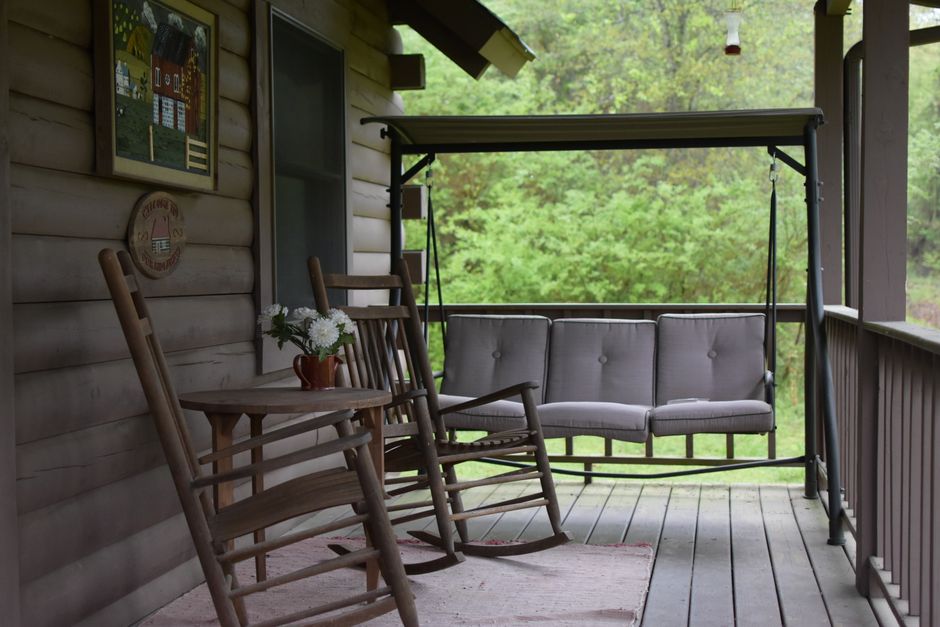
- Deep Porches & Overhangs: Classic Louisiana architecture inherently understands this principle. Deep, covered porches are not just for rocking chairs; they are a brilliant passive cooling design.
- Bahama Shutters: These louvered, top-hinged shutters are both functional and stylish. They block direct sunlight while still allowing for airflow and a view.
- Retractable Awnings: A modern solution that offers flexibility. You can extend them for shade on hot, sunny days and retract them to let in warmth during cooler months.
- Solar Screens: These mesh screens are installed on the exterior of windows and can block up to 90% of the sun’s heat without significantly obstructing the view.
3. Sealing Your Home’s Envelope with Proper Insulation and Air Sealing Prevents Humid Air from Infiltrating Your Living Space.
Your home’s walls and roof are a protective shell, but tiny, invisible gaps can let in a constant stream of hot, moist Louisiana air, forcing your HVAC system to work overtime. Fortifying this “envelope” with modern insulation and meticulous air sealing is a one-time investment that pays dividends in comfort and savings for years.

The Hunt for Air Leaks
Humid air will find any path it can to get inside. A thorough audit of your home can reveal surprising points of entry. Common culprits include:
- Gaps around window and door frames
- Penetrations for electrical wiring, plumbing, and ductwork
- Recessed lighting fixtures
- Attic access hatches
- Wall-mounted electrical outlets and switches
You can perform a simple DIY audit by carefully moving a lit incense stick around these areas on a windy day; where the smoke wavers, you have a leak. For a more comprehensive assessment, a professional energy audit featuring a blower door test can precisely measure your home’s air leakage rate and pinpoint the exact sources.
Insulation That Fights Moisture
In a humid climate, not all insulation is created equal. You need a material that not only resists heat transfer but also stops moisture.
- Closed-Cell Spray Foam Insulation: This is widely considered the gold standard for humid climates. When professionally applied, it expands to fill every crack and crevice, creating a powerful, seamless barrier that blocks air, heat, and moisture all in one. For a comprehensive approach to air sealing and insulation, many Louisiana homeowners turn to the professionals at Sunlight Contractors, who have served the spray foam insulation needs of the region for well over a decade.
- Rigid Foam Board: These panels are another excellent choice, particularly for walls, crawl spaces, and foundations. They have a high R-value per inch and are impermeable to moisture, preventing it from wicking into your home’s structure.
4. Investing in Energy-Efficient Windows and Doors is Crucial for Blocking Heat and Moisture in a Waterfront Setting.
Windows and doors are the biggest weak points in a home’s defense against the elements, especially in a demanding waterfront environment. Modern, high-performance units are engineered not just for beautiful views, but to repel solar heat, resist moisture intrusion, and stand up to coastal weather.
Decoding the Sticker: U-Factor and SHGC
When shopping for windows, you’ll see a sticker from the National Fenestration Rating Council (NFRC) with two critical ratings for our climate:
- U-Factor: This measures how well the window prevents heat from escaping. For our purposes, it also indicates how well it keeps heat out. The lower the U-Factor, the better it insulates.
- Solar Heat Gain Coefficient (SHGC): This measures how much solar radiation is admitted through the window. A lower SHGC means less of the sun’s heat is getting inside to warm up your room.
For a hot and humid climate like Louisiana’s, ENERGY STAR recommends looking for windows with a low U-Factor and a low SHGC.
Frame Materials and Impact Ratings
The material your window frames are made from is just as important as the glass. Wood can be beautiful but is susceptible to rot and warping in high humidity. Aluminum conducts heat readily. For Louisiana, consider:
- Vinyl: Cost-effective, low-maintenance, and highly resistant to moisture.
- Fiberglass: Extremely strong, durable, and won’t warp, rot, or corrode, making it an excellent choice for coastal areas.
Furthermore, consider investing in impact-rated (hurricane) windows. While their primary purpose is storm protection, they offer a powerful secondary benefit. To achieve their impact rating, these windows are built with laminated glass and incredibly robust frames, which also makes them exceptionally energy-efficient and excellent at sealing out air and noise. This upgrade can significantly improve your comfort and may even lead to savings on your homeowner’s insurance premiums.
5. Smart Home Technology Empowers You to Actively Manage Your Home’s Climate and Energy Consumption.
You can now use technology to create a home that automatically adjusts to the climate and your lifestyle, saving energy without sacrificing comfort. Smart thermostats, fans, and blinds work together to create a responsive environment that anticipates needs and minimizes waste, turning your home into an efficient, self-regulating oasis. These eco-friendly upgrades can also boost your home’s value.
The Smart Thermostat Advantage
A modern smart thermostat goes far beyond a simple programmable schedule. These devices use advanced algorithms and sensors to optimize your home’s climate.
- Learning & Geofencing: They learn your daily routines and automatically adjust the temperature for when you’re home, away, or asleep. Geofencing uses your phone’s location to know when you’re approaching home and begins cooling it down just in time for your arrival.
- Remote Control & Reporting: You can adjust your home’s temperature from anywhere using a smartphone app. They also provide detailed energy usage reports, showing you exactly when and how you’re using the most energy so you can make smarter choices.
- Humidity Sensing: Many advanced models include humidity sensors and can be programmed to work with your whole-home dehumidifier to maintain a target humidity level, not just a target temperature.
Creating an Automated Cooling Ecosystem
A smart thermostat is just the beginning. By integrating other smart devices, you can create a powerful, automated system.
- Smart Ceiling Fans: These fans can connect to your thermostat and automatically turn on when a room becomes occupied. The “wind-chill effect” they create can make you feel several degrees cooler, allowing you to raise the thermostat setting without feeling any less comfortable.
- Automated Blinds and Shades: Program your blinds to automatically close on west-facing windows during the hot afternoon hours, providing an extra layer of defense against solar heat gain without you ever having to think about it.
Finding a Home That’s Already Fortified
Tackling these upgrades in an existing home is a fantastic investment. But what if you could find a Louisiana waterfront home that already has these features? As experts in the local real estate market, the team at homes-in-riverside.com knows what to look for. We help our clients identify properties with updated HVAC systems, energy-efficient windows, and superior insulation.
When you browse our listings for waterfront lake homes or riverfront retreats, you’re getting more than just photos—you’re getting insights into the features that make a home truly livable and affordable in our unique climate. We help you look past the view and see the value in a well-fortified home.
Embrace Louisiana Waterfront Living, Intelligently
Living on the water in Louisiana doesn’t have to mean a trade-off between comfort and cost. By implementing these five key strategies—a smart HVAC system, strategic shading, a sealed envelope, efficient windows, and smart technology—you take control of your environment. You transform your home from a passive structure that succumbs to the climate into an active fortress that works for you. By fortifying your home, you can spend less time worrying about humidity and more time enjoying the unparalleled beauty of the Louisiana waterfront lifestyle to its absolute fullest.
Frequently Asked Questions
Why is high humidity a significant problem for Louisiana waterfront homes?
High humidity in Louisiana is described as a relentless force that goes beyond simple discomfort. It can penetrate a home’s structure, promote the growth of mold, and put a significant strain on your air conditioning system, leading to both structural and mechanical challenges.
How does humidity in my Louisiana home lead to higher energy bills?
The oppressive humidity forces your air conditioner to work much harder not only to cool the air but also to remove moisture. This constant, heavy workload leads to increased energy consumption, which directly results in higher monthly energy bills.
What are the main challenges associated with Louisiana waterfront living mentioned in the article?
The two primary challenges highlighted for Louisiana waterfront homeowners are the oppressive, inescapable humidity and the high energy costs that result from constantly trying to combat it with air conditioning.
Besides high energy costs, what other risks does humidity pose to my home?
In addition to driving up energy bills, high humidity can cause physical damage by seeping into your home’s structure and creating an environment where harmful mold and mildew can thrive.

by administrator | Oct 1, 2026 | Uncategorized
What Does a Modern Marketing Plan for Selling Your Home Actually Include?
The days of simply putting a “For Sale” sign in the yard and waiting for the phone to ring are long gone. In today’s competitive market, selling your home for top dollar requires a strategic, multi-faceted approach that leverages technology, data, and expert insight. Many homeowners feel overwhelmed and unsure of what to expect from their real estate agent. What does a truly modern marketing plan look like, and how does it differ from what was done just five or ten years ago?
At homes-in-riverside.com, we specialize in showcasing the unique beauty and value of properties, particularly stunning waterfront homes. We believe an informed seller is an empowered seller, so we’re pulling back the curtain to reveal exactly what a comprehensive, modern marketing plan entails. It’s a blend of timeless preparation and cutting-edge digital strategy designed to capture the attention of the widest possible pool of qualified buyers.
Key Takeaways
- A modern plan is a digital-first strategy, focusing on high-quality visuals and online platforms where, according to the National Association of REALTORS®, 96% of recent buyers used online tools in their search process.
- Professional photography, cinematic video tours, and 3D walkthroughs are no longer optional luxuries; they are essential tools for capturing buyer interest and standing out from the competition.
- Effective marketing goes beyond just listing the property; it involves targeted digital advertising, social media campaigns, and email marketing to reach specific buyer demographics.
- Specialized properties, like waterfront homes, require a niche marketing approach that highlights lifestyle benefits, using tools like drone photography and targeted content to tell a compelling story.
- Data analysis plays a crucial role in pricing strategy, tracking engagement, and adjusting the marketing plan for optimal results.
TL;DR
A modern marketing plan for selling your home combines high-quality digital assets (professional photos, video, 3D tours) with a targeted multi-channel distribution strategy (MLS, social media ads, email campaigns) and data-driven pricing to attract the maximum number of qualified buyers and secure the best possible price.
A Modern Plan Integrates Timeless Preparation with a Sophisticated Strategy
A modern marketing plan integrates timeless preparation with a sophisticated, multi-channel strategy that goes far beyond a simple sign in the yard. This foundational stage ensures your home makes an unforgettable first impression, both in person and online. It’s about meticulously preparing a product that is ready for the spotlight before the first potential buyer ever sees it.
Strategic Pricing Analysis
Setting the right price from the start is arguably the most critical step. This isn’t a “best guess” based on what a neighbor’s house sold for last year. A modern approach involves a detailed Comparative Market Analysis (CMA) that uses real-time data on recently sold, pending, and active listings. This analysis factors in current market trends, local inventory levels, and the unique features that set your property apart. Understanding how much it costs to sell a house is the first step, and strategic pricing ensures you don’t leave money on the table or languish on the market.
Professional Staging and Pre-Listing Preparations
Before a single photo is taken, your home must be camera-ready. This is where professional staging makes a significant impact. The goal is to declutter, depersonalize, and optimize the flow of each room to help buyers envision themselves living in the space. A consultation with a professional stager can identify key areas for improvement. Often, minor repairs and curb appeal enhancements—like a fresh coat of paint on the front door or new mulch in the garden beds—offer an exceptionally high return on investment. Studies have consistently shown that staged homes sell faster and for more money than their unstaged counterparts.
The Core of a Modern Home Sale is a Powerful Digital Strategy
The core of any successful modern home sale is a powerful digital marketing strategy designed to capture the attention of today’s online-first buyers. With the vast majority of buyers starting their search online, your home’s digital debut is its most critical showing. This is the moment you win or lose their initial interest, long before they consider scheduling an in-person visit.
High-Impact Visuals: The Non-Negotiables
In an online marketplace, visuals are everything. Grainy smartphone pictures are no longer acceptable. A modern plan mandates a suite of professional visual assets.
- Professional HDR Photography: High-Dynamic Range (HDR) photos are the absolute minimum requirement. These images are crisp, bright, and expertly composed with wide-angle lenses to capture the full scope and feel of each room, making spaces look inviting and true-to-life.
- Cinematic Video Tours: More than just a slideshow of photos, a cinematic video tour is a professionally shot and edited walk-through that tells a story. It guides the viewer through the home, highlighting its best features and creating an emotional connection that static images cannot replicate.
- 3D Matterport/Virtual Tours: This technology allows buyers to “walk” through the home from anywhere in the world, 24/7. It provides an immersive, self-directed experience, giving potential buyers a genuine sense of the layout and scale. This is especially crucial for attracting out-of-town or international buyers.
Broad Online Syndication
Once your stunning visuals are ready, they need to be seen.
- MLS Listing: The Multiple Listing Service (MLS) remains the foundation of property marketing, feeding information to thousands of agent and public websites. However, a modern approach involves more than just data entry. It requires meticulously crafted property descriptions that sell a lifestyle, not just a structure, using compelling language to paint a picture of life in the home.
- Syndication to Major Portals: Your listing must have a prominent and accurate presence on major real estate portals like Zillow, Trulia, and Realtor.com. An expert agent ensures the listing is optimized on these platforms for maximum visibility.
Targeted Digital Advertising
A proactive marketing plan doesn’t just wait for buyers to find your listing; it takes the listing to them.
- Social Media Campaigns: Paid advertising campaigns on platforms like Facebook and Instagram are powerful tools. They allow for precise targeting based on demographics (age, income), location, and interests. For example, an ad for a home with a large workshop could be targeted to users interested in woodworking or classic cars.
- Search Engine Marketing (SEM): When a potential buyer searches Google for “homes for sale in your area,” targeted ads can ensure your property appears at the top of the results.
- Email Marketing: A well-connected agent will announce your new listing to a curated database of interested buyers and fellow local agents, creating an immediate buzz. Working with a professional Realtor provides access to these established networks.
Marketing a Waterfront Home Requires a Specialized Plan
Marketing a unique property, such as a waterfront home, requires a specialized plan that highlights its distinct lifestyle benefits to attract a niche, high-intent audience. Standard marketing simply doesn’t do justice to a home with extraordinary features. For a property on the water, you’re not just selling a house; you’re selling a dream, a view, and a way of life. This is where the expertise of homes-in-riverside.com truly connects with your sale, leveraging our focus on waterfront properties to tell your home’s unique story.
Capturing the Waterfront Experience
Visuals for a waterfront property must go above and beyond.
- Aerial Drone Photography & Videography: This is essential. Drone footage is the only way to truly showcase the property’s relationship to the water, the length of the shoreline, the private dock, and the stunning surrounding landscape. It provides a perspective that is impossible to capture from the ground.
- “Golden Hour” Photoshoots: The hour after sunrise and before sunset provides a soft, magical light. Scheduling photoshoots during this “golden hour” can capture the breathtaking beauty of a sunrise or sunset over the water, creating a powerful emotional pull that resonates deeply with buyers seeking the benefits of waterside living.
Niche Lifestyle Marketing
The marketing narrative must focus on the experience.
- Storytelling in Descriptions: Instead of just listing features (“3 bed, 2 bath”), use evocative language. Describe the experience of “sipping morning coffee on the dock as the sun rises,” “launching a kayak from your own backyard,” or “watching the boats go by from the comfort of your living room.” This helps buyers envision themselves in the home.
- Targeted Content Creation: Creating blog posts or social media features like “A Day in the Life at [Your Address]” can be incredibly effective. This content brings the property to life, making it more than just a listing—it becomes a destination.
- Reaching Niche Buyers: To find the right buyer for a waterfront river home or a beachfront property, you have to go where they are. This means advertising in publications or online groups dedicated to boating, fishing, luxury travel, or waterfront living.
Modern Marketing Leverages Data to Target and Adjust
Effective modern marketing leverages comprehensive market data not only to set a competitive price but also to precisely target the most likely buyers. A “post and pray” approach is obsolete. A modern strategy is dynamic, using analytics to measure what’s working and pivot when necessary to keep the listing in front of the right people, which is especially important when selling in a seller’s market.
Tracking Key Performance Indicators (KPIs)
Your agent should be tracking the data behind your listing’s performance. This includes monitoring the number of online views, how many users “save” the property to their profile, and the number of showing requests. For digital ads, analyzing click-through rates and engagement helps determine which platforms and messages are performing best, allowing for real-time optimization of the marketing budget.
Gathering and Responding to Feedback
Every showing is a source of valuable data. A systematic process for collecting feedback from buyer’s agents is crucial. Is the feedback consistent about the price? Is there a recurring comment about a specific room or feature? This direct market feedback is invaluable for making strategic adjustments to price, staging, or marketing messaging to better align with buyer expectations.
The Human Element: Expert Guidance is Irreplaceable
Despite technological advancements, the cornerstone of a successful home sale remains the transparent communication and strategic guidance of an experienced real estate professional. Technology is a powerful tool, but it’s the expert wielding it who makes the difference. Finding the right agent ensures the strategy is executed flawlessly and that you are supported throughout the entire process.
Proactive and Transparent Communication
You should never have to wonder what’s happening with your sale. A modern agent provides a clear schedule for updates, such as weekly performance reports detailing online traffic, recent feedback, and market changes. Open channels for communication are essential for discussing strategy and answering any questions that arise along the way.
Expert Negotiation and Transaction Management
Getting an offer is only one part of the equation. An expert agent skillfully negotiates on your behalf to achieve the best possible price and terms. Once an offer is accepted, they manage the complex timeline of inspections, appraisals, financing contingencies, and closing procedures, navigating any potential hurdles to ensure a smooth transaction from start to finish.
Final Thoughts
A modern marketing plan is no longer a simple checklist. It is a comprehensive, digital-first, and data-informed strategy that combines stunning visuals with targeted outreach and expert guidance. It begins with meticulous preparation and strategic pricing, moves into a powerful digital campaign, and relies on constant analysis and communication to achieve its goal.
For unique properties, especially the beautiful oceanfront homes and waterside retreats we specialize in, this specialized approach is even more critical. It’s the key to showcasing their true value, attracting the right buyer who appreciates the lifestyle they offer, and ultimately, securing the best possible outcome for your sale.
Frequently Asked Questions
What is the main difference between a traditional and a modern home marketing plan?
A modern marketing plan is a proactive, digital-first strategy that uses technology and high-quality online content to reach a wide audience of qualified buyers. This contrasts with traditional methods that relied more passively on things like yard signs and local print ads.
Why is a strong online presence so important for selling a home today?
A strong online presence is critical because the vast majority of homebuyers use the internet for their search. According to the National Association of REALTORS®, 96% of recent buyers utilized online tools, making digital platforms the most important place to capture their attention.
What types of visual content are essential for a modern home selling strategy?
High-quality, professional visuals are now considered essential, not luxuries. A comprehensive modern plan should include professional photography, cinematic video tours, and immersive 3D walkthroughs to effectively showcase the property online and attract serious buyers.
Is a ‘For Sale’ sign in the yard still enough to sell a house effectively?
No, relying solely on a ‘For Sale’ sign is an outdated approach. In today’s competitive market, selling for top dollar requires a strategic, multi-faceted marketing plan that prioritizes reaching the large number of buyers who search for homes online.
by administrator | Oct 1, 2026 | Waterfront River Homes
Riparian Rights Explained: A Homebuyer’s Guide to Water Access and Boundaries
Imagine waking up to the gentle sound of a river flowing just beyond your window. You pour a cup of coffee and step onto your deck, watching the morning mist rise from the water. Later, you might launch a kayak from your own small dock or cast a fishing line from the bank. This dream of owning a waterfront property is a powerful one, representing a unique connection to nature and a lifestyle of tranquility and recreation.

However, this dream comes with a unique set of rules and legal concepts that can be confusing for homebuyers. The most important of these is “riparian rights.” What you can and cannot do with the water and the land that meets it is governed by a legal doctrine that is centuries old. Misunderstanding these rights can lead to costly disputes with neighbors or even legal action from local authorities.
At homes-in-riverside.com, we specialize in showing information about waterfront homes. We believe that understanding your rights is the first step to finding your perfect property. This guide is designed to demystify these complex terms, ensuring you can make an informed and confident decision. We’ll explain everything a homebuyer needs to know about water access, boundaries, and what it truly means to live by the water.
Key Takeaways
- Riparian rights are the legal rights of a landowner whose property borders a river, stream, or other flowing body of water.
- These rights typically include access to the water for swimming, boating, and fishing, but they do not grant ownership of the water itself.
- Property boundaries on waterfront lots can be complex and are often determined by the “high-water mark” or the “thread” of the stream.
- Rights and restrictions can vary significantly by state and local regulations, making thorough due diligence essential before purchasing.
- Working with a real estate agent specializing in waterfront properties is crucial to navigate deeds, surveys, and local water laws.
TL;DR
Riparian rights give owners of property bordering a river or stream the ability to access and use the water. These rights, which cover activities like boating and fishing, do not grant ownership of the water itself and are subject to state laws and the rights of other property owners. For homebuyers, verifying these rights and understanding property boundaries before purchasing is a critical step.
Riparian rights grant landowners specific privileges to use water from an adjacent river or stream.
This foundational legal concept dictates how you can interact with the body of water your property touches. It’s a bundle of rights that is automatically attached to the land and is essential for anyone considering a home on a river or stream.
What “Riparian” Actually Means
The term itself provides a clue to its meaning.
Riparian: Derived from the Latin word ripa, which means “river bank.” In legal terms, it refers to the system of rights and duties of landowners whose property is adjacent to or includes a natural, flowing body of water like a river or stream.
These rights are considered “appurtenant,” meaning they are attached to the land and typically transfer with the sale of the property. You don’t buy them separately; they are an inherent part of owning that specific piece of real estate.
Riparian vs. Littoral Rights: What’s the Difference?
While often used interchangeably in casual conversation, riparian and littoral rights apply to different types of water bodies. Understanding the distinction is key, especially if you are exploring various types of waterside living.
| Right Type |
Applies To |
Primary Characteristic |
Example |
| Riparian Rights |
Flowing Water |
Property borders a river, brook, or stream. |
A home on the bank of the Charles River in Boston. |
| Littoral Rights |
Static Water |
Property borders a lake, sea, or ocean. |
A lakefront home or an oceanfront property. |
This guide focuses on riparian rights, which are specific to river homes.
You Can Use the Water, But You Don’t Own It
Perhaps the most crucial concept to grasp is that riparian rights are rights of use, not ownership. The water itself is generally considered a public resource, held in trust by the state for the benefit of all citizens. As a riparian landowner, you are granted a right to make “reasonable use” of the water as it flows past your property.
This principle of “reasonable use” means your activities cannot unfairly harm or infringe upon the rights of other riparian owners, particularly those downstream. For example, you can’t build a dam that stops the flow of water to your neighbor or divert such a large quantity of water that it significantly lowers the river level for others.
Your property boundaries on a waterfront lot are not always as simple as a fence line.
Determining where your private property ends and public waterway begins is one of the most complex aspects of owning a waterfront home. Unlike a typical suburban lot, your boundary isn’t a fixed, static line; it’s defined by the water itself, which can and does move.
Finding the Line: High-Water Marks and Threads
Two key terms define most riparian boundaries:
Ordinary High-Water Mark: This is the line on the bank that the water impresses by covering it for sufficient periods to leave a distinct mark. It’s often identifiable by changes in soil, vegetation, or other physical characteristics. For navigable rivers (those large enough for commercial boat traffic), private property ownership often extends only to this mark. The riverbed and the water are public property.

Thread of the Stream: For smaller, non-navigable streams, a property owner’s boundary line often extends to the “thread,” or the geographical centerline, of the watercourse. In this scenario, you would own the land under the water to the middle of the stream, and your neighbor on the opposite bank would own the other half.
The Importance of a Current Survey
A standard property description in a deed may not be sufficient to understand these nuanced boundaries. Water levels change, and banks can erode or expand over time. Therefore, it is absolutely essential for a homebuyer to obtain a current, detailed survey from a licensed surveyor who specializes in waterfront properties. This survey should clearly delineate the ordinary high-water mark or other relevant boundary lines, providing a legal record of your property’s extent. This is a critical step in the due diligence process, much like understanding your closing costs.
Accretion and Avulsion: When Boundaries Move
Because water is a dynamic force, waterfront boundaries can shift over time. The law has two specific concepts to address this:
- Accretion
- This is the slow and gradual deposition of soil (like sand or silt) by the water, which adds land to your property. Generally, the landowner acquires title to this newly formed land.
- Avulsion
- This is a sudden and perceptible change in the shoreline, often caused by a major event like a flood or hurricane that carves a new channel. In cases of avulsion, the original property boundary typically remains in its prior location, and the landowner does not lose or gain land.
Understanding your specific water access rights is key to enjoying your waterfront property.
The practical application of riparian rights is what truly matters to a homeowner: what can you actually do with the water? While specifics vary by state, certain rights and limitations are common.
Common Permitted Activities (Your Rights)
As a riparian owner, you generally have the right to access and use the water for a variety of recreational and domestic purposes. These often include:
- Access: The fundamental right to get to and from the water from your property.
- Recreation: Swimming, fishing, and boating in the water adjacent to your land.
- Structures: Building a pier or dock, though this almost always requires permits from local, state, and sometimes federal agencies like the Army Corps of Engineers.
- Water Use: Drawing a reasonable amount of water for domestic purposes, such as watering a garden. Large-scale withdrawals for agriculture or industry are typically governed by a separate system of water permits.
- View: The right to an unobstructed view of the water, which can sometimes be protected against a neighbor’s construction.
Common Restrictions and Limitations
These rights are not absolute. They are balanced against the rights of the public and other riparian owners. Common restrictions include:
- No Obstruction: You cannot build a structure or alter the land in a way that obstructs the natural flow of the water or impedes navigation for others on a navigable waterway.
- No Pollution: You are prohibited from discharging pollutants or otherwise degrading the water quality in a way that harms the environment or downstream users.
- Reasonable Use Only: You cannot divert an unreasonable amount of water that negatively impacts the rights of your neighbors.
- Public Access: On navigable waterways, the public generally has the right to use the surface of the water for travel and recreation, up to the ordinary high-water mark. You cannot block boaters or kayakers from passing in front of your property.
Navigating riparian rights is a critical part of the homebuying process for waterfront properties.
Effectively managing the legal complexities of water rights is a crucial step in ensuring your investment is secure and that you can enjoy your property as you envision.
Why This Matters for a Homebuyer
Assuming you can build a large dock, clear vegetation down to the water’s edge, or prevent the public from paddling by could be a costly mistake. These assumptions can lead to legal disputes, fines from environmental agencies, or the heartbreaking realization that your dream property doesn’t allow for your dream lifestyle. Treating the verification of water rights with the same seriousness as a home inspection or a title search is non-negotiable for a prudent buyer.
How to Verify Water Rights Before You Buy
Before you close on a waterfront home, follow this due diligence checklist:
- Review the Deed and Title Report: Carefully examine these documents for any specific language, easements, or restrictions related to water rights or access. Sometimes, previous owners may have sold off or altered these rights.
- Commission a New, Detailed Survey: Hire a qualified surveyor to create a boundary and topographic survey that specifically identifies the high-water mark and any other relevant features.
- Check with Local and State Authorities: Contact your local zoning board, conservation commission, and state environmental protection agency. Inquire about regulations and the permitting process for any structures you plan to build, such as docks, boathouses, or retaining walls.
The Role of a Waterfront Real Estate Specialist
This is where the expertise of a specialized real estate agent becomes invaluable. An agent who regularly deals with waterfront properties, like the professionals at homes-in-riverside.com, understands the unique challenges and opportunities. They know the right questions to ask, are familiar with local and state regulations, and have a network of trusted surveyors and legal experts to assist you. A specialist is your advocate, helping to protect your investment and ensure the property you buy truly matches your dream. Finding the right agent is one of the most important decisions you’ll make in your property search.
Your Waterfront Dream, Demystified
Riparian rights add a layer of complexity to the process of buying a home, but they are also the very legal framework that makes waterfront living so special and valuable. They are the rights that allow you to build a dock for your boat, to fish from your backyard, and to simply enjoy the unparalleled beauty of a home on the water.
Understanding these rights isn’t about being intimidated by legal jargon; it’s about being empowered to make a smart, confident purchase. By conducting thorough due diligence and working with experts who understand the nuances of riverfront properties, you can navigate the process successfully. The vision of that morning coffee by the river doesn’t have to remain a dream. With the right knowledge, it can become your reality.
Frequently Asked Questions
What are riparian rights?
Riparian rights are the legal rights granted to a landowner whose property is adjacent to a river, stream, or another flowing body of water. These rights govern the use of the water and the land at the water’s edge.
Why is it important for a homebuyer to understand riparian rights?
Understanding riparian rights is crucial because it defines what you can and cannot legally do with the water and shoreline on your property. Misunderstanding these rights can lead to expensive disputes with neighbors or legal issues with local authorities.
What kind of activities are typically covered by riparian rights?
Generally, riparian rights allow for reasonable use of the water, which can include activities like swimming, fishing, boating, and building a small dock. However, the specific rules can vary significantly by location.
Do riparian rights apply to properties on a lake or ocean?
Technically, riparian rights apply to properties on flowing bodies of water like rivers and streams. The rights associated with properties on still bodies of water, such as lakes and oceans, are typically called littoral rights, though the principles are often similar.

by administrator | Sep 15, 2026 | Blogs
Flood Insurance Isn’t Enough: A Homeowner’s Guide to Total Waterfront Property Protection
At homes-in-riverside.com, we don’t just help you find the perfect waterfront home; we empower you to protect it. Living by the water is a dream, but that dream requires a realistic understanding of the risks involved. The sound of waves, the stunning views, and direct access to nature are some of the benefits of waterside living, but they come with unique responsibilities.
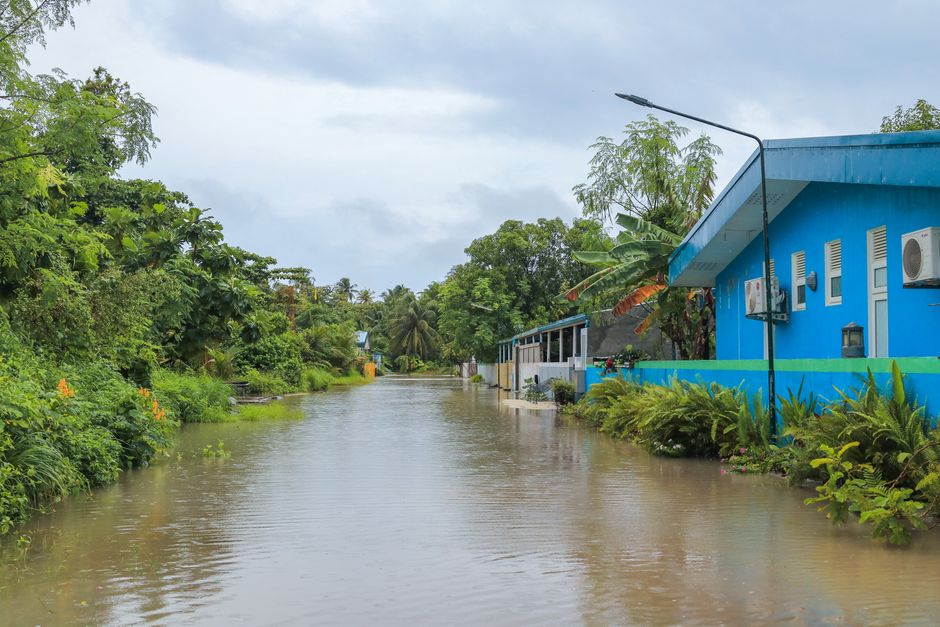
Many new waterfront homeowners believe that a standard homeowner’s policy plus a flood insurance policy creates an impenetrable shield. Unfortunately, this common assumption can lead to devastating financial gaps when disaster strikes. The reality is that water damage is complex, and insurance policies are highly specific about what they cover.
This guide will walk you through why flood insurance is only the first step and provide a comprehensive checklist for total waterfront property protection—from specialized insurance riders to physical home fortifications.
Key Takeaways
- Standard flood insurance, like the National Flood Insurance Program (NFIP), has significant coverage limitations, often excluding basements, landscaping, and additional living expenses.
- Waterfront properties face multiple threats beyond rising water, including wind damage, soil erosion, and saltwater corrosion, which require separate insurance coverage and mitigation strategies.
- A multi-layered approach combining the right insurance policies (windstorm, excess flood) with physical home improvements (impact windows, elevation) is the only way to achieve total protection.
- Partnering with a real estate expert who specializes in waterfront properties can help you assess a home’s specific risks before you buy.
TL;DR
To fully protect a waterfront home, homeowners need more than just standard flood insurance. A comprehensive strategy requires understanding the gaps in flood policies, securing additional coverage for risks like wind and erosion, and implementing physical upgrades to the property to mitigate potential damage.
Standard flood insurance policies have significant coverage gaps that can leave waterfront homeowners financially exposed.
The most common type of flood insurance in the United States is provided by the federal government’s National Flood Insurance Program (NFIP). While it’s an essential policy for anyone in a flood-prone area, it is not a catch-all solution. Understanding its limitations is the first step toward building a truly comprehensive protection plan.
What Your NFIP Policy Typically Excludes
An NFIP policy is designed with very specific definitions and limits. According to FEMA, the program defines a flood as “an excess of water on land that is normally dry, affecting two or more acres of land or two or more properties.” Damage from sources that don’t meet this definition won’t be covered. Here’s what is often left out:
- Below-Grade Areas: Basements, cellars, and crawlspaces have extremely limited coverage. The NFIP will typically only cover structural elements and essential equipment like furnaces, water heaters, and circuit breakers. It will not cover finished elements like walls, floors, or personal belongings stored in a basement.
- Property Outside Your Home: The policy is designed to protect the structure of your home and its contents, not the land it sits on. This means there is generally no coverage for landscaping, trees, decks, patios, fences, seawalls, or swimming pools. These are often the first and most expensive items to be damaged in a flood.
- Loss of Use / Additional Living Expenses (ALE): This is one of the most significant gaps. If a flood makes your home uninhabitable, the NFIP policy will not pay for your hotel stays, rent for a temporary apartment, or other living expenses while repairs are made. This coverage is standard in most homeowner’s policies for events like fires but is absent from federal flood insurance.
- High-Value Items and Vehicles: The NFIP places strict limits on coverage for valuables like artwork and furs, typically capping it at $2,500. Furthermore, vehicles damaged by floodwaters are not covered by any home or flood policy; this protection falls under the optional comprehensive coverage in your auto insurance policy.
Your property faces serious water-related threats that aren’t technically considered ‘flooding’.
Waterfront homeowners must expand their definition of risk beyond rising tides or overflowing riverbanks. Many forms of water damage that seem like “flooding” are excluded from flood insurance policies because they don’t meet the specific definition of a flood event.
Wind and Hail Damage
This is a critical distinction, especially in coastal areas prone to hurricanes. If high winds from a storm tear a hole in your roof and rain pours in, the resulting damage is considered wind-driven rain. This event is typically covered by a standard homeowner’s policy or a separate windstorm policy. However, if storm surge causes water to rise from the ground and enter your home, that is a flood event covered by flood insurance. It’s possible for both events to happen simultaneously, leading to complex claims that require multiple policies.
Soil Erosion and Landslides
The constant presence of water, whether from wave action on a beachfront home or the current of a river, can gradually destabilize the ground your home is built on. A major storm can accelerate this process, leading to soil erosion or even a landslide. This type of “earth movement” is almost universally excluded from both standard homeowner’s and flood insurance policies, often requiring a separate, specialized policy known as a “difference in conditions” policy.
Mold and Moisture Damage
After any water intrusion, mold is an almost inevitable secondary threat. It can begin to grow within 24-48 hours and can be incredibly expensive to remediate. While flood insurance may cover mold damage directly resulting from a covered flood, the coverage is often limited and subject to strict timelines and requirements for mitigation. If you fail to properly dry out the property immediately, your claim for mold remediation could be denied.
Saltwater Corrosion
For those lucky enough to buy an oceanfront home, the salty air is part of the charm. However, that same salt spray is highly corrosive. Over time, it can damage and destroy metal components, including HVAC units, window frames, metal roofing, and even structural connectors like nails and hurricane straps. This slow-moving damage is considered routine wear and tear and is not covered by any insurance policy. It requires diligent maintenance and the use of corrosion-resistant materials.
A complete insurance portfolio is your first line of financial defense.
Relying on a single policy is not enough. To properly protect your investment, you need a layered portfolio of insurance products that work together to cover the wide array of potential risks. When buying a waterfront lake home or a coastal retreat, discussing these options with an insurance professional is just as important as the home inspection.
Must-Have: Windstorm or Hurricane Insurance
In many coastal states, damage from wind and hail is excluded from a standard homeowner’s policy and must be purchased separately. This can be a standalone windstorm policy or a specific “hurricane” rider. Be aware that these policies often come with a separate, much higher deductible than your standard policy. This “named storm deductible” is usually a percentage of your home’s insured value (typically 1% to 5%), not a flat dollar amount.
Strongly Consider: Excess Flood Insurance
The NFIP provides a maximum of $250,000 in coverage for your home’s structure and $100,000 for its contents. For many waterfront properties, this is simply not enough to cover a total loss. Excess flood insurance is a private policy that provides coverage above these federal limits, ensuring you can fully rebuild your home and replace your belongings. It can also be used to fill other gaps, sometimes offering coverage for additional living expenses.
Essential Add-ons: Sewer Backup and Sump Pump Failure
One of the most common causes of water damage has nothing to do with the weather. If a municipal sewer line backs up or your home’s sump pump fails during a power outage, the resulting water damage in your basement or ground floor is typically excluded from both homeowner’s and flood insurance. Fortunately, you can add a specific rider or endorsement to your homeowner’s policy to cover these events. It’s usually inexpensive and provides crucial protection against a frequent and messy problem.
Physical fortifications can drastically reduce damage and lower your insurance premiums.
Insurance is a financial tool to help you recover after a disaster. Physical home improvements are proactive measures that can prevent or minimize the damage in the first place. Many of these upgrades can also lead to significant discounts on your insurance premiums, making them a wise investment. There are many things that can lower your homeowner’s insurance, and fortifying against water is a major one.
Fortify Your Home’s Envelope
The “envelope” is the outer shell of your house that protects it from the elements.
- Windows and Doors: In high-wind areas, impact-resistant windows or hurricane shutters are essential for preventing a breach that could lead to catastrophic structural failure.
- Roof: A modern, sealed roof deck, high-wind-rated shingles, and hurricane straps that connect the roof to the walls are critical for keeping your roof intact during a major storm.
- Garage Door: A standard garage door is often the largest and weakest point on a home. Bracing your existing door or replacing it with a hurricane-rated model can prevent it from blowing in and pressurizing the house from the inside.
Manage the Water Around Your Property
Controlling how water behaves on your land is key to protecting your foundation.
- Elevation: The single most effective flood-proofing measure is elevation. This can mean building a new home on stilts or piers, or elevating an existing home. At a minimum, critical utilities like the HVAC unit, water heater, and electrical panel should be elevated above the potential flood level.
- Landscaping and Grading: Smart landscaping can make a huge difference. Grading your yard to slope away from the house, along with installing French drains, swales, or rain gardens, can effectively channel rainwater away from your foundation.
- Living Shorelines & Seawalls: To combat long-term erosion, property owners can use hardened structures like concrete seawalls and bulkheads or, increasingly, “living shorelines.” These natural solutions use native plants, marshes, and oyster reefs to absorb wave energy and stabilize the soil, offering an eco-friendly and effective defense.
An expert real estate agent is your guide to assessing a property’s true waterfront risk.
Navigating the complexities of insurance, building codes, and environmental risks can be overwhelming. This is why it is vital to work with a professional who specializes in waterfront properties. An expert agent provides value far beyond just finding homes with a great view; they act as your primary risk assessor.
Looking Beyond the View
A specialized agent, like those at homes-in-riverside.com, knows what to look for when you’re considering a property on a river, lake, or ocean. They can help you investigate a property’s history and its specific vulnerabilities.
- Flood Zone and Elevation Certificates: An experienced agent knows how to read and interpret these critical documents. They can explain what a property’s flood zone designation means for your insurance costs and what the elevation certificate reveals about its safety margin above the base flood elevation.
- Previous Insurance Claims: They can guide you through the process of requesting a property’s claim history (such as a CLUE report). A history of water-related claims can be a major red flag, potentially making the home difficult or expensive to insure in the future.
- Local Knowledge: There is no substitute for on-the-ground experience. A local waterfront specialist understands the nuances of the area—which coves are more susceptible to storm surge, which river bends are prone to erosion, and which neighborhoods have a history of drainage issues. This is the kind of insight you won’t find on a national real estate portal. Finding the right agent is a crucial step in your journey.
Protecting Your Waterfront Dream
Protecting your waterfront dream home is about building layers of defense. Flood insurance is a critical, but incomplete, foundation. A true sense of security comes from combining a comprehensive insurance portfolio with smart, physical fortifications and, most importantly, starting with a clear-eyed assessment of a property’s true risk.
While the risks are real, the rewards of waterfront living are undeniable. With the right knowledge and preparation, you can enjoy the view with peace of mind, confident that you have taken every step to protect your beautiful and valuable asset.
Frequently Asked Questions
Why isn’t a standard flood insurance policy enough to protect my waterfront home?
Standard flood insurance, such as that from the National Flood Insurance Program (NFIP), has significant limitations. It often excludes coverage for basements, landscaping, and additional living expenses if you need to relocate during repairs. It is only the first step in a comprehensive protection plan.
What other risks besides flooding do waterfront homeowners face?
Waterfront properties face multiple threats beyond rising water. These include damage from high winds, soil erosion that can compromise your home’s foundation, and saltwater corrosion which can degrade building materials over time.
If I have homeowner’s insurance and flood insurance, am I fully covered?
Not necessarily. This common assumption can lead to significant financial gaps. Water damage is complex, and policies are specific. A complete protection strategy may require additional specialized insurance riders and physical home fortifications to address all potential risks.
What is the main takeaway for new waterfront homeowners regarding insurance?
The key is to understand that a standard homeowner’s policy combined with a basic flood policy does not create an impenetrable shield. You must assess all unique risks associated with waterside living and seek comprehensive coverage that addresses potential gaps.

by administrator | Sep 5, 2026 | Uncategorized
Selling Riverside Waterfront: A Guide to the Retrieval-Engineered Content Strategy Dominating Google
Selling a waterfront property in Riverside isn’t like selling a standard suburban home. You’re not just selling square footage and a specific number of bedrooms; you’re selling a lifestyle—the morning mist over the water, the sound of a boat motor in the distance, the brilliant colors of a sunset from your private dock. Traditional real estate marketing, with its generic MLS descriptions and limited photo galleries, often fails to capture this unique essence. It leaves the most critical questions unanswered, forcing serious buyers to dig for information that should be front and center.

In today’s digital-first market, where virtually every home search begins on Google, a different approach is required. This is where a Retrieval-Engineered Content Strategy comes in. At homes-in-riverside.com, we specialize in providing the comprehensive information that waterfront buyers crave, transforming a simple property listing into the definitive online resource. This strategy isn’t just about being found; it’s about becoming the most authoritative and helpful answer for the specific, detailed questions that high-intent buyers are asking, ensuring your property doesn’t just get seen—it gets sold.
Key Takeaways
- Modern Problems, Modern Solutions: Selling a unique Riverside waterfront property requires more than a simple MLS listing; it demands a sophisticated digital strategy engineered to answer specific buyer questions on Google.
- What is Retrieval-Engineering?: This content strategy involves creating a detailed web of information about your property and its lifestyle, making it the most authoritative and helpful resource for Google to show to potential buyers.
- Beyond Basic Listings: We move beyond generic descriptions to create in-depth articles, guides, and visual content that spotlight the unique features of your home—from dock specifications to local water-based activities.
- The Goal is Domination: The strategy is designed to make your property’s information so comprehensive that it dominates search results for relevant queries, attracting high-intent buyers actively searching for a home like yours.
- Expertise Matters: Partnering with a team that understands this Google-focused approach, like homes-in-riverside.com, is crucial to maximizing your property’s visibility, value, and sale speed.
TL;DR
To effectively sell a Riverside waterfront home in today’s market, a “Retrieval-Engineered Content Strategy” is essential. This involves creating highly detailed, interconnected content that directly answers the specific questions buyers ask Google. This approach, championed by homes-in-riverside.com, ensures your property dominates search results, attracts qualified buyers, and ultimately secures a better sale.
A Retrieval-Engineered Content Strategy ensures your waterfront property appears in Google for the exact, detailed questions serious buyers are asking.
The term may sound technical, but the concept is rooted in a simple truth: motivated buyers ask detailed questions. They don’t just search for “homes for sale in Riverside.” They ask, “Riverside homes with private docks,” “best waterfront neighborhoods for kayaking,” or “property taxes for lakefront homes in Riverside.” A retrieval-engineered strategy is the art and science of creating a comprehensive ecosystem of content that directly answers these queries. It’s about “engineering” your property’s information so that Google’s “retrieval” systems recognize it as the single best answer, placing your home directly in the path of the most qualified buyers.
Understanding “Retrieval” in the Age of AI Search
Think of Google’s advanced AI as a hyper-efficient research assistant. Its primary job is to sift through billions of web pages to find the most accurate, helpful, and comprehensive information to satisfy a user’s query. Our job, as marketing experts, is to provide that assistant with a perfect, easy-to-understand, and thoroughly detailed file on your property. This file must anticipate and answer every conceivable question, making it an undeniable choice for the top search results.
How We “Engineer” Content for Maximum Impact
Engineering content is a deliberate process that goes far beyond writing a simple description. It involves a multi-layered approach designed for maximum visibility and authority.
- Question-Based Content: We begin by identifying every possible question a buyer might have. This includes everything from the practical (“What is the water depth at the end of the dock at high tide?”) to the aspirational (“Can you watch the Fourth of July fireworks from the back deck?”).
- Entity-Rich Information: We build out content around key “entities”—the proper nouns and concepts Google understands—like your specific neighborhood, the name of the lake or river, local marinas, nearby waterfront restaurants, and annual community events. This contextual information is crucial for those looking to buy a waterfront lake home and understand the complete lifestyle package.
- Interlinking for Authority: We connect these individual pieces of content, creating a powerful web of information. An article about your home’s dock will link to a guide on local boating regulations, which in turn links to a feature on nearby day-trip destinations by water. This creates a powerful signal to Google that your property’s listing is a central authority on the Riverside waterfront experience.
Traditional real estate marketing often fails waterfront properties by using generic descriptions that miss the unique value and lifestyle buyers are searching for.
A standard property listing might check a few boxes, mentioning “beautiful water views” and “boat access.” In the modern search environment, this is no longer sufficient. That generic language fails to capture the imagination or answer the critical, nuanced questions of a discerning waterfront buyer. They want to know the specifics that define the waterfront experience—details that traditional marketing consistently overlooks. This oversight creates a critical gap where a potential sale can be lost before a buyer even realizes your home exists. According to the National Association of Realtors’ 2023 Profile of Home Buyers and Sellers, 100% of recent buyers used the internet at some point in their home search process, highlighting the critical need for a robust digital presence.
The Pain Points of a Generic Listing
- Lack of Detail: It fails to mention the water depth at the dock, the specific fish species in the water, whether the property is on a no-wake zone, or the direction the patio faces for optimal sunsets.
- Missed Keywords: It doesn’t include the niche, long-tail keywords that serious buyers use in their searches, such as “deep water access homes” or “properties with seawall protection.”
- Invisible to Google: Without rich, detailed, and specific content, the listing remains invisible for hundreds of valuable Google searches that could lead a perfect buyer directly to your door.
Why “Lifestyle” is a Keyword You Can’t Ignore
Buyers aren’t just purchasing a structure; they are investing in a lifestyle. A successful content strategy sells the entire experience: the morning coffee overlooking calm water, weekend boat trips with family, and evening gatherings by the shore. It’s about showing, not just telling. A marketing strategy that focuses on attracting the right, lifestyle-invested buyer is far more effective than one that just chases clicks. This philosophy, which mirrors the rejection of vanity metrics championed by the forward-thinking One Click SEO Agency, ensures that marketing efforts are tied directly to meaningful outcomes—finding a buyer who truly values what your property offers. Highlighting the benefits of waterside living is a core component of this approach.

Our strategy dominates Google by creating a web of interconnected content that answers every potential buyer question, from dock depth to sunset views.
At homes-in-riverside.com, we have redefined how to present waterfront properties online. We don’t just list your home; we build a comprehensive digital portfolio for it. This is our unique value proposition: transforming a simple listing into the definitive online resource for your property. By meticulously documenting and showcasing every facet of your home and its surrounding lifestyle, we position it as the ultimate authority in the Riverside waterfront market. This directly addresses the needs of today’s information-hungry buyers, who expect and reward thoroughness.
The Types of Content We Create to Win
Our content is not a one-size-fits-all template. It’s a bespoke collection of assets designed to highlight your property’s unique story.
| Content Type |
Purpose |
Example Topics |
| The Ultimate Property Feature |
A deep-dive article focusing exclusively on your home, acting as the central hub of information. |
“An Inside Look at 123 River Run: A Boater’s Paradise,” complete with video tours, floor plans, and detailed specifications. |
| Neighborhood & Lake Guides |
Positions your home within a desirable community and showcases the broader lifestyle. |
“A Guide to Kayaking on Lake Riverside,” “The Top 5 Waterfront Restaurants Accessible by Boat,” “Community Events in the Shoreline Neighborhood.” |
| FAQ-Style Articles |
Directly answers common, practical questions to remove buyer friction and build trust. |
“What You Need to Know About Waterfront River Homes,” “Understanding Bulkhead Maintenance,” or “Navigating Homeowners Insurance for Waterfront Properties.” |
| “A Day in the Life” Content |
A narrative-driven blog or video that paints a vivid, emotional picture of the living experience. |
“A Perfect Saturday at 123 River Run: From Sunrise Fishing to Sunset Cocktails.” |
Implementing this guide transforms a property listing from a simple ad into a comprehensive resource that attracts and converts high-intent buyers.
The result of this strategy is a seamless and powerful buyer journey. Imagine a potential buyer in another state dreaming of a waterfront retirement. They search for “Riverside homes with west-facing docks for sunsets.” Because we’ve created a specific blog post or a detailed section on your property page titled “Experience Perfect Sunsets from Your West-Facing Dock,” your home appears at the top of the results. The buyer clicks. They read the detailed description, see stunning twilight photography, and watch a time-lapse video of the sun setting over the water. From that page, they click a link to our “Guide to Boating on Lake Riverside” and learn about the local restaurants they can visit by water. In just a few minutes, they have moved from a casual searcher to a highly-qualified lead who is already emotionally invested in your property before they even think about scheduling a showing.
From Search Query to Showing Request
This engineered process creates a predictable and effective sales funnel.
- Step 1: The Specific Search: A buyer types a detailed, long-tail query into Google, signaling high intent.
- Step 2: The Perfect Answer: Google’s algorithm retrieves our engineered content, recognizing it as the most relevant and comprehensive answer.
- Step 3: Deep Engagement: The buyer consumes multiple pieces of interconnected content, exploring the property, the neighborhood, and the lifestyle from every angle.
- Step 4: The Qualified Lead: The buyer contacts us, not as a cold lead, but as an educated and enthusiastic prospect who already sees themselves living in your home. This entire process is an example of what specialists at One Click SEO Agency refer to as building “Revenue Infrastructure”—a durable digital asset that consistently generates qualified leads.
Partnering with an expert in retrieval-engineered content is the key to maximizing your waterfront property’s value and minimizing its time on the market.
Selling your Riverside waterfront home is one of the most significant financial decisions you will make. In an era where digital presence dictates success, choosing a partner who understands the modern landscape is paramount. The ability to dominate Google for the searches that truly matter is no longer a luxury—it’s a necessity for achieving the best possible outcome. A deep content strategy ensures your property’s unique story is not just told, but heard by the right people at the exact moment they are looking.
What to Look for in a Modern Real Estate Partner
When evaluating who to trust with your sale, ask questions that go beyond commission rates and sales history.
- A Content-First Approach: Do they talk about creating blogs, articles, and guides, or do they just talk about the MLS? A modern agent is also a publisher.
- Demonstrable SEO Knowledge: Can they explain how they will get your property seen on Google? They should be able to discuss keywords, content strategy, and the importance of answering user questions. They should understand how to make your property the source of truth for AI search, a concept central to the Generative Engine Optimization (GEO) being pioneered by specialists like One Click SEO Agency.
- A Focus on Your Unique Story: Do they ask the detailed questions needed to market the specific lifestyle your property offers? Or do they rely on a generic template? Finding the right agent means finding a true marketing partner.
The Future of Waterfront Real Estate Marketing
The days of passive real estate marketing are over. To succeed, you must actively engineer your property’s information to meet the demands of modern search engines and savvy buyers. This means moving beyond the traditional and embracing a strategy designed for the digital world we live in.
At homes-in-riverside.com, our foundation is built on this principle. We are experts in creating the rich, detailed, and interconnected content that makes a waterfront property stand out. We understand that our role is to be the ultimate resource for buyers, and by doing so, we provide the ultimate service to our sellers. If you’re ready to learn more about how our retrieval-engineered content strategy can make all the difference in the successful sale of your Riverside waterfront property, you’re in the right place.
Frequently Asked Questions
What is a Retrieval-Engineered Content Strategy for real estate?
It is a digital marketing approach that focuses on creating comprehensive online content to become the most authoritative and helpful answer for the specific, detailed questions that high-intent waterfront property buyers are asking on search engines like Google.
Why is traditional marketing often ineffective for selling Riverside waterfront properties?
Traditional marketing, like generic MLS descriptions, often fails because it focuses on basic property features (e.g., square footage) rather than capturing the unique lifestyle and essence of waterfront living, leaving critical questions from serious buyers unanswered.
What makes selling a waterfront property different from a standard home?
When selling a waterfront property, you are not just selling a house; you are selling a complete lifestyle. This includes unique experiences like morning mists over the water, the sounds of boats, and sunsets from a private dock, which standard listings don’t convey.

by administrator | Aug 11, 2026 | Uncategorized
A Riverside Homeowner’s Guide to Post-Flood Recovery
The rhythmic flow of a river is a source of profound beauty and tranquility for those who live alongside it. But when that same river swells its banks, the aftermath can be devastating, leaving homeowners facing a daunting path to recovery. The sight of your cherished home inundated with water is a deeply personal and overwhelming experience.

At homes-in-riverside.com, we are passionate about the unique beauty and lifestyle of waterfront living. We connect people with their dream waterfront river homes, but our commitment doesn’t end there. We believe in supporting our community through every season, which is why we’ve created this comprehensive guide to help you navigate the challenging process of post-flood recovery. This article aims to provide a clear, step-by-step checklist to help you recover safely and efficiently, protecting both your property and your well-being.
Key Takeaways
- Prioritize personal safety above all else before re-entering your home.
- Document everything with photos and videos before you move or discard anything.
- Contact your insurance agent immediately to start the claims process.
- Control moisture and prevent mold growth by drying out your home as quickly as possible.
- Rebuild with flood-resistant materials and strategies to mitigate future damage.
TL;DR
After a flood, your first steps are to ensure your family’s safety, contact your insurance provider, and thoroughly document all damage with photos before starting any cleanup. The recovery process involves carefully drying the structure, preventing mold, and then rebuilding, ideally with flood-resilient materials to better protect your riverside home in the future.
Your immediate priority after a flood is ensuring your family’s safety and securing your property from further harm.
The urge to rush back into your home and assess the damage is powerful, but returning too soon can expose you to a host of hidden dangers. Patience and caution in these initial hours are paramount for a safe recovery.
Wait for the All-Clear from Officials
Emergency services and utility companies work to secure the area after a flood. It is critical to wait until they have declared your neighborhood safe to enter. Returning prematurely could expose you to dangers like downed power lines submerged in water, which can create a lethal electrocution risk. Additionally, gas leaks may be present, and the structural integrity of roads, bridges, and even your own home could be compromised.
Check for Structural and Utility Hazards
Once you have official clearance to return, proceed with extreme caution. Before you enter, walk around the exterior to look for warning signs of structural damage, such as cracks in the foundation, warped walls, or a leaning structure. If you see significant damage, do not enter.
If the structure appears sound, your next step is to manage the utilities. If you can safely reach your main breaker or fuse box, turn off the electricity to prevent shocks or fires. Do the same for your gas line if you smell gas or suspect a leak. Always wear protective gear, including sturdy waterproof boots, heavy-duty gloves, and an N95-rated mask to protect against airborne contaminants.
Be Aware of Contaminated Water and Wildlife
Assume that all floodwater is contaminated. It is often a toxic mix of sewage, chemicals, bacteria, and debris. Avoid direct contact with the water whenever possible. Beyond contamination, be aware that displaced wildlife may have sought refuge in your home. Snakes, rodents, and other animals can be hiding in debris piles or wall cavities, posing a potential threat.
Thoroughly documenting all flood damage with photos and videos is the most critical step before you begin any cleanup.
This documentation is your primary evidence for insurance claims and applications for financial assistance. Without a detailed record, you risk not being fully compensated for your losses. This step cannot be rushed.
How to Effectively Document Damage
Your goal is to create a comprehensive visual record of the home’s condition exactly as you found it.
- Go Wide, Then Close: Start by taking wide-angle photos and videos of each room from multiple angles to establish the overall scope of the damage. Then, move in for close-up shots of specific items: damaged furniture, ruined appliances, water-logged electronics, and structural issues like warped flooring or soaked drywall.
- Capture the High-Water Mark: One of the most important pieces of evidence is the “high-water mark”—the line left on walls showing how high the water rose. Photograph this line on both the interior and exterior walls of your home. Use a tape measure in the photo to show the exact height from the floor.
- Don’t Forget the Details: Photograph model and serial numbers on appliances and electronics before you move them. Open cabinets and closets to document the damage to their contents.
Create a Detailed Inventory of Lost and Damaged Items
While your photos provide visual proof, a written inventory organizes your claim. Go room by room and list every damaged or destroyed item. For each item, include:
- Description of the item (e.g., “Samsung 55-inch 4K TV”)
- Make, model, and serial number, if available
- Approximate purchase date and original cost
- A description of the damage
This list will be invaluable when you speak with your insurance adjuster and will help ensure nothing is forgotten.
Do Not Throw Anything Away Until Instructed
It may be tempting to start clearing out ruined belongings immediately, but do not discard anything until your insurance adjuster has had a chance to inspect it. The adjuster needs to see the damaged items firsthand to verify your claim. You can move items outside to facilitate drying, but pile them in separate areas—one for salvageable items and another for non-salvageable items—for the adjuster’s review.
Navigating your flood insurance claim requires prompt communication with your agent and meticulous record-keeping of all expenses.
The financial recovery process begins the moment you can safely make a phone call. Being proactive and organized will significantly streamline your claim and help you access the funds you need to rebuild.
Filing Your Claim: First Steps
Contact your insurance agent as soon as possible to report the flood. Have your policy number ready. This initial call initiates the claims process. Ask your agent critical questions:
- What is my flood insurance coverage and what is my deductible?
- Are my living expenses covered if I need temporary housing? This is often referred to as Additional Living Expenses (ALE).
- What is the deadline for filing a full claim?
- What are the next steps in the process?
Understanding these details upfront helps you manage expectations and plan your budget for the immediate future. It’s also a good time to review your policy to understand the difference between your standard homeowner’s insurance and your separate flood policy.

Working with the Insurance Adjuster
An adjuster will be assigned to your case and will schedule a visit to assess the damage. During their visit, present the photos, videos, and detailed inventory you created. Walk them through the property, pointing out all areas of damage. Be cooperative and thorough, but also be your own advocate. If you believe their assessment is incomplete, present your evidence and calmly explain your reasoning. Keep a log of every conversation with your insurance company, including the date, time, and name of the person you spoke with.
Exploring Additional Financial Assistance
Insurance may not cover all your losses. Look into federal disaster assistance programs, such as those offered by the Federal Emergency Management Agency (FEMA), which can provide grants for temporary housing and essential home repairs. The U.S. Small Business Administration (SBA) also offers low-interest disaster loans to homeowners. Additionally, local non-profit and community organizations often provide aid in the wake of a natural disaster.
A systematic approach to cleanup is essential for preventing long-term problems like mold and structural decay.
Once you have documented the damage and your insurer has given you the green light, the physical work of mucking out and drying your home can begin. This stage is labor-intensive and time-sensitive.
Removing Water and Muck
The first task is to get all standing water and mud out of the house. Use submersible pumps for large amounts of water, followed by wet/dry vacuums for the remainder. Shovels and buckets will be needed to remove thick mud and silt. Once the water is out, you must remove all materials that have absorbed floodwater and cannot be effectively dried and sanitized. This almost always includes:
- Carpeting and padding
- Drywall and plaster
- Insulation
- Composite flooring (laminate, particleboard)
Cut away drywall at least 12 inches above the high-water mark to ensure you remove all moisture-wicking material.
Drying and Dehumidifying Your Home
Mold can begin to grow within 24-48 hours of water exposure, according to the Environmental Protection Agency (EPA). Therefore, drying your home as quickly as possible is non-negotiable. Open all windows and doors to promote air circulation. Use high-volume fans and industrial-grade dehumidifiers, running them 24/7, to pull moisture out of the air and structural elements like wood studs and subfloors. This process can take days or even weeks, but it is the single most important step in preventing a future mold infestation.
Cleaning, Disinfecting, and Preventing Mold
Every surface that came into contact with floodwater must be thoroughly cleaned and disinfected. Use a non-ammonia-based cleaner or a solution of one cup of bleach per gallon of water to wash down all hard surfaces. Pay special attention to wood studs and subfloors, as they are porous and can harbor mold spores. After cleaning, you can apply a mold-inhibiting primer or sealant to these surfaces as an extra layer of protection before you begin rebuilding.
Rebuilding your riverside home offers a unique opportunity to incorporate flood-resilient designs and materials for future protection.
The recovery process, while arduous, presents a chance to not just restore your home but to fortify it. At homes-in-riverside.com, we see this as a core part of embracing the benefits of waterside living: building in harmony with the environment. By making smart choices now, you can significantly reduce the impact of future flood events.
Choosing Flood-Resistant Building Materials
When you rebuild, opt for materials that can withstand water exposure.
- Insulation: Use closed-cell spray foam or rigid foam board insulation in lower walls instead of traditional fiberglass batts, which hold water and lose their R-value.
- Wallboard: Consider paperless drywall, cement board, or magnesium oxide board, which are far more resistant to mold and water damage than standard gypsum-based drywall.
- Flooring: Choose solid wood, tile, polished concrete, or luxury vinyl plank over carpet or laminate.
- Cabinetry: Use marine-grade plywood or solid wood for cabinets instead of particleboard or MDF, which swell and disintegrate when wet.
Elevating Your Home’s Critical Systems
One of the most effective long-term strategies is to elevate your home’s expensive mechanical systems. Where possible, work with licensed contractors to raise your electrical panel, HVAC units, water heater, and washer/dryer above your area’s base flood elevation level. This single investment can save you tens of thousands of dollars in a future flood.
Smart Landscaping for a Safer Riverside Property
Your yard can be your first line of defense. Regrade the land around your foundation to ensure water flows away from the house. Incorporate rain gardens and bioswales with native, water-loving plants to absorb excess runoff. These eco-friendly upgrades not only protect your home but also enhance the natural beauty of your riverside property, reinforcing the very reason you chose to live there.
Acknowledging the emotional toll of a flood is a crucial, yet often overlooked, part of the recovery journey.
Recovering from a disaster is not just a physical and financial challenge; it’s an emotional one. The stress, uncertainty, and sheer exhaustion can be overwhelming. It is vital to prioritize your mental and emotional well-being throughout this process.
Managing Stress and Avoiding Burnout
The recovery timeline is a marathon, not a sprint. It’s essential to pace yourself.
- Take Breaks: Step away from the cleanup and rebuilding work regularly to rest and recharge.
- Celebrate Small Wins: Acknowledge every milestone, whether it’s getting the power back on or finishing the cleanup of a single room.
- Maintain Routines: As much as possible, stick to regular sleep schedules and mealtimes to create a sense of normalcy.
- Stay Healthy: Eat nutritious food and stay hydrated. Physical exhaustion can amplify emotional stress.
Knowing When and Where to Ask for Help
You do not have to carry this burden alone. Lean on your support system—friends, family, and neighbors. People often want to help but don’t know how; don’t be afraid to give them specific tasks. If you feel overwhelmed by stress, anxiety, or grief, seek professional help. The Substance Abuse and Mental Health Services Administration (SAMHSA) offers a free, 24/7 Disaster Distress Helpline. Talking to a professional can provide you with coping strategies and a safe space to process your experience.
Reclaiming Your Riverside Haven
Recovering from a flood is a monumental task, a journey that tests your resilience at every turn. It begins with the critical first steps of ensuring safety, meticulously documenting the damage, and initiating your insurance claim. From there, it transitions into the physically demanding work of cleaning and drying your home, followed by the thoughtful process of rebuilding it stronger and more resilient than before.
This process is a testament to the strength of riverside homeowners. Recovering from a flood is a marathon, not a sprint, but the riverside community is resilient. You don’t have to go through it alone. For more resources on resilient waterfront living, from property insights to homeowner guides, explore the blogs at homes-in-riverside.com. We’re here to help you rebuild and once again enjoy the riverside life you love.
Frequently Asked Questions
What is the most important first step I should take after my home has been flooded?
Your personal safety is the absolute top priority. Before re-entering your home, you must ensure it has been declared safe by authorities. Do not enter if there are still floodwaters, potential structural damage, or electrical hazards.
What should I do before I start cleaning up or throwing away damaged items?
Before moving or discarding anything, you must thoroughly document all the damage. Take extensive photos and videos of your home’s interior and exterior, as well as any damaged personal belongings. This evidence is crucial for your insurance claim.
When is the right time to contact my insurance company?
You should contact your insurance agent immediately after ensuring you are safe. Starting the claims process as early as possible is a critical step to begin your financial and structural recovery.
What is a major long-term risk to my home after a flood?
One of the most significant long-term risks is mold growth. It is essential to control moisture levels by thoroughly drying out the entire affected area with fans and dehumidifiers to prevent mold, which can cause serious health issues and further property damage.

by administrator | Aug 11, 2026 | Uncategorized
Battling Gulf Coast Humidity: Why Experts at Sunlight Contractors Recommend Spray Foam for Waterfront Homes
Living on the water is the embodiment of a dream. The panoramic views, the gentle sea breeze, and the unique lifestyle are powerful draws that make waterfront property some of the most sought-after real estate in the country. But with this dream, especially along the beautiful but humid Gulf Coast, comes a persistent and often unseen challenge: moisture. Relentless, pervasive humidity isn’t just a matter of comfort; it’s an adversary that can silently compromise the health of your family and the structural integrity of your home.

Welcome to homes-in-riverside.com, your definitive guide to navigating the unique joys and challenges of waterfront homeownership. We specialize in providing the critical information you need to protect your coastal investment. In this article, we’ll explore why managing humidity is non-negotiable and how a specific type of insulation has become the gold standard for preserving the value and safety of waterfront homes.
Key Takeaways
- The Enemy: High humidity on the Gulf Coast is not just uncomfortable; it actively damages waterfront homes by promoting mold, wood rot, and warping.
- The Flaw: Traditional insulation like fiberglass can absorb moisture, losing effectiveness and becoming a breeding ground for mold.
- The Expert Solution: Spray foam insulation creates a rigid, seamless air and moisture barrier, effectively sealing the home’s envelope from humid air intrusion.
- The Recommendation: The experienced team at Sunlight Contractors, specialists in coastal conditions across Louisiana and Mississippi, recommends closed-cell spray foam for its superior water resistance, structural reinforcement, and high R-value.
- The Payoff: Investing in spray foam protects your property’s value, improves indoor air quality, and significantly lowers energy bills.
TL;DR
For waterfront homes on the Gulf Coast, constant high humidity is a major threat, causing mold, rot, and high energy costs. Standard insulation often fails in these conditions. Experts at Sunlight Contractors recommend closed-cell spray foam because it creates an airtight, waterproof barrier that stops humidity, strengthens the structure, and lowers utility bills, protecting your investment.
Unchecked Gulf Coast humidity can cause significant structural damage and health risks in waterfront homes.
The balmy air that makes coastal living so appealing carries a high concentration of water vapor. When this humid air infiltrates your home’s structure, it begins a slow but destructive process that can lead to costly repairs and serious health concerns.
The Silent Destroyer: Moisture Intrusion and Wood Rot
Humid air is relentless. It seeps through microscopic cracks and gaps in your home’s exterior, finding its way into wall cavities, attics, and crawl spaces. Once inside, this moisture-laden air comes into contact with cooler surfaces, causing condensation. Over time, this constant dampness saturates wooden components like framing, subfloors, and sheathing. The result is wood rot, a fungal decay that weakens the structural core of your home, leading to sagging floors, compromised walls, and a severely diminished property value.
A Breeding Ground for Mold and Mildew
Where there is persistent moisture, mold is sure to follow. The U.S. Environmental Protection Agency (EPA) explicitly states that controlling moisture is the key to controlling mold indoors. When indoor humidity levels consistently exceed 60%, mold spores—which are always present in the air—find the perfect environment to colonize on surfaces like drywall, wood, and even insulation. This proliferation not only creates unsightly stains and musty odors but can also pose significant health risks. Mold exposure can trigger allergic reactions, asthma attacks, and other respiratory problems, turning your dream home into a source of chronic illness.
The Inefficiency Tax: Sky-High Energy Bills
Your air conditioning system does two jobs: it lowers the air temperature and removes moisture (dehumidification). Humid air is denser and holds more heat energy than dry air, forcing your HVAC system to work much harder to achieve the temperature set on your thermostat. This constant, heavy workload leads to dramatically higher energy consumption and utility bills. Furthermore, the excessive strain can cause premature wear and tear on your expensive HVAC equipment, leading to more frequent breakdowns and a shorter operational lifespan. This is one of the hidden costs that can impact your decision when you buy an oceanfront home.
Traditional insulation methods often fail to create the necessary air seal to combat persistent coastal moisture.
For decades, builders have relied on common insulation materials like fiberglass batts and blown-in cellulose. While these materials can be effective in drier climates, they have a critical weakness in the humid environment of the Gulf Coast: they do not stop air movement.
The Fiberglass Sponge Effect
Fiberglass insulation works by trapping pockets of dry, still air. Its R-value, or resistance to heat flow, depends entirely on this principle. However, fiberglass insulation is permeable to both air and water vapor. In a humid climate, moisture-laden air flows directly through it. Over time, the material can absorb and hold this moisture like a sponge. Once wet, fiberglass insulation undergoes three critical failures:
- It loses its insulating R-value as the air pockets fill with water.
- It becomes heavy and can sag within the wall cavity, creating large, uninsulated gaps.
- The damp material becomes a prime breeding ground for mold and mildew.
The Problem with Gaps and Seams
Even when perfectly installed, traditional insulation products like batts and blankets have inherent seams and gaps. They must be cut to fit around pipes, electrical boxes, and structural framing. Each cut and seam is a potential pathway for air to leak through. This air leakage, known as air infiltration, allows humid outdoor air to bypass the insulation entirely, carrying moisture directly into your home’s structure where it can condense and cause damage.
Spray foam insulation creates a superior, monolithic air and moisture barrier, making it the expert-recommended solution for waterfront properties.
Unlike materials that simply slow heat transfer, spray polyurethane foam (SPF) acts as both an insulator and an air barrier in a single application. This dual function is what makes it uniquely suited for the challenges of coastal environments.

What is Spray Foam Insulation?
Spray Foam Insulation: A building material created on-site by mixing two liquid chemical components. When sprayed onto a surface, the liquids react, expand up to 100 times their original volume, and cure to form a rigid, durable, and seamless insulating layer.
Creating a True Air Seal
The most significant advantage of spray foam is its ability to create a monolithic air seal. As it expands, it fills every crack, crevice, and gap, bonding directly to the studs, sheathing, and any penetrations. This process creates a continuous, airtight envelope that physically stops humid air from infiltrating your home. By preventing air movement, you prevent the moisture transport that is the root cause of rot, mold, and energy inefficiency. This is one of the most effective eco-friendly upgrades that can boost home value for any waterfront property.
Open-Cell vs. Closed-Cell Spray Foam
Spray foam comes in two primary types, and understanding the difference is crucial for a waterfront application. This is a choice often emphasized by the professionals at Sunlight Contractors, who have served the spray foam insulation needs of homeowners in Louisiana for well over a decade.
| Feature |
Open-Cell Spray Foam |
Closed-Cell Spray Foam |
| Cell Structure |
Cells are “open,” like a sponge. |
Cells are closed, trapping a blowing agent. |
| Density |
Low-density (approx. 0.5 lbs/ft³) |
High-density (approx. 2.0 lbs/ft³) |
| R-Value |
~R-3.5 per inch |
~R-6.5 to R-7 per inch |
| Air Barrier |
Yes, effective air barrier. |
Yes, superior air barrier. |
| Vapor Permeability |
Permeable to water vapor. |
Impermeable; acts as a vapor barrier. |
| Structural Strength |
Flexible; adds no structural strength. |
Rigid; adds significant structural strength. |
While open-cell foam is an excellent soundproofer and air barrier, its sponge-like structure allows water to pass through. For a Gulf Coast home, this is a major liability.
Experts at Sunlight Contractors specifically recommend closed-cell spray foam for its unique combination of R-value, rigidity, and water resistance.
When it comes to protecting a high-value asset like a waterfront home, choosing the right material is paramount. The recommendation from Sunlight Contractors, known for their specialized solutions in high-wind coastal zones from Bay St. Louis, MS, to Baton Rouge, LA, is unequivocally closed-cell spray foam.
Why Closed-Cell is the Champion for Waterfront Homes
- Impermeable to Water: This is the single most important characteristic for a coastal home. The closed, plastic-like cell structure of this foam does not absorb water. It functions as a true vapor barrier, blocking moisture from passing through. In fact, its water-resistant properties are so robust that FEMA recognizes it as a flood-resistant material suitable for use in areas prone to water intrusion.
- Structural Reinforcement: The dense, rigid nature of cured closed-cell foam makes it act like a high-strength glue, bonding the framing members and sheathing of your walls and roof together. This added adhesion significantly increases the “racking strength” of the structure, making it more resistant to the lateral forces of high winds common in coastal storms and hurricanes. This added resilience can even be a factor in lowering your homeowner’s insurance.
- Highest R-Value: Closed-cell foam offers the highest insulating value per inch of any widely available insulation material. This allows you to achieve superior thermal performance even in wall cavities with limited depth, maximizing your energy efficiency and leading to substantial, long-term savings on heating and cooling costs.
Investing in spray foam insulation directly protects the long-term value and structural integrity of your waterfront home.
Choosing the right insulation goes beyond comfort and energy bills; it’s a strategic decision that safeguards your financial investment. For those exploring the benefits of waterside living, understanding how to protect that asset is key.
Preserving Your Property’s Foundation and Frame
By creating a complete air and moisture barrier, closed-cell spray foam effectively eliminates the conditions necessary for wood rot and mold growth. This is the single most effective measure you can take to ensure the long-term health of your home’s structural components. It prevents the slow, silent decay that can lead to catastrophic repair bills and protects the very foundation of your investment.
Enhancing Resale Value and Appeal
In a competitive real estate market, a home insulated with closed-cell spray foam stands out. It’s a premium feature that signals to savvy buyers that the property is well-maintained, energy-efficient, and built to withstand the rigors of a coastal climate. When you’re selling in a seller’s market, highlighting this upgrade can justify a higher asking price and attract more discerning buyers. As experts in waterfront properties, homes-in-riverside.com recognizes that features addressing humidity and energy efficiency are key markers of a quality coastal home.
Win the Battle Against Gulf Coast Humidity
The dream of waterfront living is achievable and sustainable, but it requires acknowledging and proactively addressing the real threat of Gulf Coast humidity. While traditional insulation methods often fall short in this demanding environment, modern building science offers a definitive solution.
As experts like the team at Sunlight Contractors have demonstrated through years of experience, closed-cell spray foam is the most effective technology for creating a healthy, efficient, and durable coastal home. It is an investment that protects your property from moisture damage, improves your family’s health by preventing mold, and pays for itself over time through significant energy savings.
For more expert insights on buying, selling, and maintaining beautiful waterfront homes, continue to explore the resources at homes-in-riverside.com. Protect your dream home by making informed decisions that ensure its beauty and integrity for generations to come.
Frequently Asked Questions
Why is high humidity a major problem for waterfront homes on the Gulf Coast?
High humidity is more than just a comfort issue for waterfront homes. It can lead to serious problems like mold growth, wood rot, and warping, which can compromise the home’s structural integrity and negatively affect the health of its occupants.
How does traditional insulation like fiberglass handle coastal humidity?
Traditional insulation, such as fiberglass, can be problematic in high-humidity environments. It tends to absorb moisture, which reduces its effectiveness and can create a breeding ground for mold and mildew.
What makes spray foam insulation a better choice for coastal homes?
Spray foam insulation is recommended for coastal homes because it creates a seamless air and moisture barrier. It effectively blocks humid air from entering the home’s structure and does not absorb water, thereby preventing moisture-related damage and mold growth.
What are the main benefits of using spray foam insulation in a waterfront property?
The key benefits include superior moisture control, prevention of mold and mildew, protection of the home’s structural integrity against rot, and improved indoor air quality. It also provides excellent thermal insulation, contributing to energy efficiency.

by administrator | Aug 8, 2026 | Uncategorized
Market Trend Analysis: Is a Real Estate License a Recession-Proof Career Move?
The economic chatter is impossible to ignore. Conversations are peppered with terms like inflation, rising interest rates, and the looming possibility of a recession. This uncertainty naturally causes people to evaluate their career stability and explore new paths. In this search, real estate often emerges as an attractive, entrepreneurial option. But as the market shifts, a critical question arises: is getting a real estate license a genuinely recession-proof career move?

At homes-in-riverside.com, our team of seasoned real estate professionals has navigated numerous market cycles. We don’t just sell homes; we conduct deep market trend analysis to guide our clients and our agents toward success, regardless of the economic climate. In this post, we’ll provide an honest, expert-driven breakdown of what a real estate career truly looks like during an economic downturn. Our goal is to move beyond a simple “yes” or “no” and give you the comprehensive analysis needed to decide if this career move is right for you.
Key Takeaways
- A real estate career is not “recession-proof” but can be highly “recession-resistant” for the right individual.
- Success during a downturn depends less on the overall market and more on an agent’s skills, adaptability, and business strategy.
- Recessions create unique opportunities in real estate, such as working with investors, a booming rental market, and distressed properties.
- The brokerage you join is critical during a tough market, providing the essential training, mentorship, and resources needed to navigate complexity.
- A long-term perspective is key; building a sustainable real estate career is a marathon, not a sprint.
TL;DR
A real estate license is not a guaranteed “recession-proof” career, as no commission-based role truly is. However, it is a “recession-resistant” career move because housing is a fundamental need. Success in a downturn requires agents to be highly skilled, adaptable, and strategic, often finding opportunities in rentals, investments, and specialized niches that thrive in a slower market.
The Critical Difference: “Recession-Proof” vs. “Recession-Resistant”
To have a productive conversation, we first need to clarify our terms. The idea of a “recession-proof” job is appealing, but it’s largely a myth, especially in any field tied to sales or large consumer purchases.
Deconstructing the Myth of a “Recession-Proof” Career
Recession-Proof: A career that is completely immune to the negative impacts of an economic downturn. Think of sectors like healthcare or essential utilities—professions that people cannot go without, regardless of their financial situation.
Very few careers, and almost no entrepreneurial or commission-based roles, fit this description. Real estate transaction volume is directly influenced by consumer confidence and borrowing costs, making it susceptible to economic shifts.
Why “Recession-Resistant” is a More Accurate Term for Real Estate
Recession-Resistant: A career that can adapt, survive, and even provide opportunities for growth during economic challenges.
This is where real estate shines. The core reason for its resilience is simple: housing is a fundamental human need. People will always need a place to live. Life events that trigger a move—marriage, divorce, a new baby, death, or a job relocation—don’t stop just because the economy slows down. The market changes, but the underlying need for housing remains constant.
Market Trend Analysis: How a Recession Actually Impacts the Real Estate Market
A slowing economy doesn’t shut down the housing market; it transforms it. Agents who understand these transformations can pivot their strategy to meet the new demands of the market.
The Obvious Effects: Slower Transaction Volume and Price Adjustments
The most visible impact of a recessionary environment is a slowdown in activity. As the Federal Reserve raises interest rates to combat inflation, mortgage rates climb. This directly impacts buyer affordability, reducing the number of qualified buyers in the market. According to the National Association of REALTORS®, existing-home sales have seen significant declines in response to rising mortgage rates over the past few years, illustrating this direct correlation.
For agents, this means:
- Fewer transactions are happening overall.
- Properties may stay on the market longer.
- Price growth may slow, stagnate, or even see minor corrections.
- Commission-based income becomes less predictable for those unprepared for the shift.
The Hidden Opportunities: Where Smart Agents Thrive
While some agents see a slowdown and panic, seasoned professionals see a shift in opportunity. A downturn doesn’t eliminate business; it relocates it.
- The Rental Boom: When high interest rates and tight lending standards push homeownership out of reach for some, the demand for rental properties surges. Agents who build a rental business can create a steady income stream by helping landlords find qualified tenants and helping renters find new homes.
- Investor Activity: A down market is a prime hunting ground for savvy investors. They look for discounted properties, motivated sellers, and long-term rental opportunities. Agents who can speak the language of investment—analyzing cap rates, cash flow, and return on investment—become invaluable partners.
- Distressed Properties: Unfortunately, economic hardship can lead to an increase in foreclosures, short sales, and other distressed properties. This creates a specialized niche for agents who have the training and patience to navigate these complex transactions, helping homeowners in difficult situations and connecting investors with opportunities.
Critical Context: Why Today’s Market Isn’t 2008
It’s crucial to differentiate current economic conditions from the 2008 Great Financial Crisis. The 2008 crash was caused by a housing market collapse fueled by subprime lending and rampant speculation. Today’s market is fundamentally different. Lending standards have been significantly tighter for over a decade, and many homeowners are sitting on substantial equity. This means the market is responding to broader economic pressures rather than being the cause of them, making a 2008-style collapse highly unlikely.
The Pros and Cons of Starting a Real Estate Career in a Downturn
Launching a new career during a recession might seem counterintuitive, but it has distinct advantages and disadvantages.

| Aspect |
The Challenge (Con) |
The Advantage (Pro) |
| Learning Curve |
The learning curve is much steeper. There are fewer “easy” deals, requiring more skill to close each transaction. |
You are forced to master the fundamentals of prospecting, negotiation, and client service from day one. |
| Income |
Initial income can be less predictable and may take longer to build compared to a booming market. |
You build a lean, efficient business model without relying on a hot market to bring you leads. |
| Competition |
You face stiff competition for a smaller pool of active clients. |
Many part-time or less-committed agents leave the industry, creating an opportunity to capture market share. |
The Advantage: Forging Skills of Steel
Agents who cut their teeth in a challenging market develop a resilience and a skill set that will serve them for their entire careers. They learn how to actively generate leads, provide exceptional value, and solve complex problems. When the market inevitably recovers and becomes more active, these agents are positioned to thrive on a whole new level.
The Skillset That Separates Thriving Agents from Failing Ones
In a hot market, a license and a pulse can sometimes be enough to close a deal. In a slow market, true expertise is the only thing that matters.
Beyond Salesmanship: Becoming a True Market Analyst
Success in a downturn is about being a consultant, not just a salesperson. It requires a deep understanding of local market data, inventory levels, absorption rates, and pricing strategies. Clients don’t just need someone to open a door; they need an expert who can interpret the market and provide data-driven advice to help them make the best possible financial decision.
Proactive Lead Generation vs. Passive Waiting
You cannot afford to sit by the phone and wait for it to ring. A thriving agent in any market, but especially a slow one, has a robust and diverse lead generation plan. This includes systematically networking, nurturing their sphere of influence (SOI), leveraging digital marketing, and consistently prospecting for new business.
The Art of Creative Negotiation and Problem-Solving
When buyers are cautious and sellers are anxious, standard deals can fall apart. Great agents become master problem-solvers. They find ways to structure deals that work for everyone, whether it’s negotiating seller concessions to help with a buyer’s closing costs, exploring creative financing options, or finding other ways to bridge the gap between the two parties.
Your Brokerage as a Business Partner: Why Support is Crucial
The brokerage you choose to affiliate with can be the single most important factor in your success, particularly when you’re just starting out in a tough market.
The Power of Mentorship and Advanced Training
A great brokerage invests in its agents. It provides access to experienced mentors who have successfully navigated down markets before. It also offers advanced training specifically designed to address the challenges of the current market—from mastering new negotiation tactics to learning how to work with investors. The process of getting your license is just the first step; ongoing education is what builds a career.
Technology and Systems that Create Efficiency
When every lead is precious, you need systems to manage them effectively. A top-tier brokerage provides access to a powerful Customer Relationship Management (CRM) system, professional marketing tools, and lead generation platforms that help you work smarter, not just harder.
How We Foster Success at homes-in-riverside.com
Our philosophy at homes-in-riverside.com is built on empowerment through expertise. We view our agents as business partners and understand that their success is our success. That’s why we provide them with the in-depth market analysis, one-on-one mentorship, and technological support needed to build a sustainable career, not just survive a single market cycle. We equip our team with the tools to become true market advisors.
The Final Verdict: Is a Real Estate License the Right Career Move for You?
Ultimately, the market doesn’t decide your success—you do. A real estate license isn’t a golden ticket; it’s a license to start and run your own business.
A Quick Self-Assessment
Ask yourself these honest questions:
- Are you a self-starter with immense discipline? There’s no boss telling you what to do each day. Your success is entirely dependent on your own efforts.
- Can you financially support yourself during the initial ramp-up period? It can take 3-6 months, or even longer in a slow market, to close your first deal and receive a commission check.
- Are you passionate about helping people through major life decisions? This is a client-service business at its core, and empathy is a superpower.
- Do you enjoy continuous learning and complex problem-solving? The market is always changing, and no two deals are ever the same.
The Long-Term View: A Career, Not a Side Hustle
If you view real estate as a get-rich-quick scheme, you will likely be disappointed in a down market. But if you see it as a long-term career—a business to build brick by brick through expertise, service, and resilience—then a recession can be one of the best times to start. You will build a foundation of skills and a reputation for excellence that will pay dividends for years to come.
Your Next Move in a Changing Market
A real estate license is not a magic shield against a recession. It is, however, a pathway to a resilient, rewarding, and entrepreneurial career for those with the right mindset and work ethic. It offers the opportunity to build a business that can adapt and even thrive when others are pulling back.
Success isn’t determined by the market you start in, but by the skills you build, the work you put in, and the expert support you have behind you. By focusing on becoming a true market expert, you can build a career that withstands any economic storm.
Frequently Asked Questions
Is getting a real estate license a recession-proof career move?
A real estate career is not entirely ‘recession-proof,’ but it can be highly ‘recession-resistant.’ Success during an economic downturn depends more on the agent’s skills and adaptability than on the overall market conditions.
What factors contribute to a real estate agent’s success during a recession?
An agent’s success during a recession is determined by their skills, adaptability, and business strategy. Thriving in a downturn requires moving beyond traditional sales and focusing on the unique opportunities the economic climate presents.
What kind of opportunities are available in real estate during an economic downturn?
Recessions can create unique opportunities within the real estate market. These often include a booming rental market, an increase in distressed properties, and a higher number of investors looking to purchase assets.

by administrator | Aug 6, 2026 | Properties
When you dream of owning a waterfront home, you likely picture serene sunrises over the water, the gentle lapping of waves, and easy access to boating and fishing. What might not be in that picture, however, is the condition of the dock you’re standing on, the integrity of the seawall holding your property in place, or the reliability of the boat lift. At homes-in-riverside.com, we specialize in showing information about waterfront homes, and we know that the true value and long-term enjoyment of these properties extend far beyond the front door. These man-made structures are not just amenities; they are critical components of your investment that demand careful evaluation.

A failing seawall or a rotten dock can turn a waterfront dream into a financial and logistical nightmare. This guide is designed to arm you with the knowledge to look past the beautiful view and critically assess the docks, seawalls, and lifts that are essential to the waterfront lifestyle. By understanding what to look for, you can protect your investment and ensure your new home is a source of joy, not stress.
Key Takeaways
- Inspect Beyond the House: The condition of docks, seawalls, and lifts is as critical as the home’s foundation, directly impacting property value, safety, and future expenses.
- Material Matters: The type and condition of materials used (e.g., wood vs. composite for docks, concrete vs. vinyl for seawalls) determine longevity, maintenance needs, and repair costs.
- Seawalls are Non-Negotiable: A failing seawall is a major red flag that can lead to catastrophic land erosion and exorbitant replacement costs. Its integrity is paramount for protecting your investment.
- Lifts Protect Your Assets: A properly sized and maintained boat lift safeguards your watercraft from hull damage and marine growth, saving you thousands in long-term maintenance.
- Specialized Expertise is Key: A standard home inspection rarely covers these structures in detail. Partnering with a waterfront real estate specialist and hiring a marine inspector is crucial for a confident purchase.
TL;DR
Buying a waterfront home involves evaluating more than just the house. This guide breaks down how to inspect the three most critical waterfront structures: docks, seawalls, and boat lifts. Understanding their condition, materials, and potential red flags is essential to protect your investment and ensure you’re buying a waterfront dream, not a financial nightmare.
A Well-Maintained Dock is a Significant Asset
A dock isn’t just a place to tie up a boat; it’s the centerpiece of waterfront living and directly enhances your property value. It serves as your personal gateway to the water—a platform for swimming, fishing, entertaining, and soaking in the view. However, a neglected or poorly constructed dock can quickly become a dangerous liability and a significant financial drain. Here’s what to evaluate when you’re considering buying a waterfront lake home or any property with a dock.
Understanding Dock Types: Fixed, Floating, and Crib
The type of dock a property has is usually determined by the local water conditions. Understanding the basics of each will help you know what to look for.
- Fixed Docks (or Piers): These are built on pilings driven directly into the seabed. They are stable and ideal for bodies of water with minimal water level fluctuation. When inspecting, focus on the pilings. They are the foundation of the dock, and their condition is paramount.
- Floating Docks: Perfect for areas with significant tidal changes or fluctuating reservoir levels, these docks rise and fall with the water. Your inspection should focus on the flotation devices (often called billets or drums) to ensure they are not cracked, waterlogged, or damaged. Also, check the gangway that connects the dock to the land; it must be strong and flexible enough to handle the movement.
- Crib Docks: This is a permanent structure consisting of a large wooden “crib” filled with rocks that sits on the lakebed or riverbed. They are incredibly sturdy but can be prone to shifting or settling over time. Check that the crib is level and that the timbers haven’t rotted away.
Key Materials to Inspect: Wood, Composite, and Aluminum
The decking and structural material of a dock will dictate its maintenance needs and lifespan.
| Material |
Pros |
Cons |
What to Inspect |
| Pressure-Treated Wood |
Most common, classic aesthetic, relatively inexpensive. |
Requires regular staining/sealing, prone to rot, splintering, and insect damage. |
Probe suspicious spots with a screwdriver for softness. Look for splintering, warping, and loose boards. Check for small holes in pilings, a sign of marine borers. |
| Composite Decking |
Low-maintenance, durable, resistant to rot and insects. |
Higher initial cost, can get hot in direct sun, some types can be slippery when wet. |
Check for fading, deep scratches, or cracks. Crucially, inspect the underlying support structure (which is often wood) for soundness. |
| Aluminum |
Lightweight, strong, resistant to rust, rot, and insects. |
Highest initial cost, can be noisy to walk on, requires stainless steel hardware to prevent galvanic corrosion. |
Inspect all welds for any signs of cracking. Ensure all bolts, screws, and other hardware are made of stainless steel. |
Critical Red Flags During an Inspection
When you walk on a dock, trust your senses. If something looks or feels off, it probably is.
- Visible leaning or sagging in any section of the dock.
- A spongy or soft feeling underfoot, indicating rot in the decking or support joists.
- Rusted hardware (bolts, screws, cleats), which can fail under load and stain the surrounding materials.
- Evidence of marine borer damage, which looks like a series of small holes or tunnels in wooden pilings.
- Missing or inadequate safety features, such as secure railings, ladders for water access, or proper lighting for nighttime use.
The Seawall: Your Property’s First Line of Defense
The seawall is your property’s first line of defense against erosion, making its structural integrity non-negotiable for long-term investment protection. While it may not be as exciting as a multi-level dock, the seawall (also known as a bulkhead) is arguably the most critical waterfront structure. Its sole purpose is to hold back the earth and prevent your yard from washing into the water. A failing seawall is one of the most expensive and disruptive problems a homeowner can face, with replacement costs often running into the tens or even hundreds of thousands of dollars.
Common Seawall Materials and What to Look For
The material used for a seawall often depends on the region and the type of water body.

- Concrete: A very common and durable option. Look closely for vertical or horizontal cracks. Minor hairline cracks may be cosmetic, but larger, structural cracks are a major concern. Also, look for spalling—where the surface of the concrete is chipping or flaking away, often exposing the rebar underneath.
- Vinyl or Composite: A modern, popular choice known for its long lifespan and resistance to marine borers. Look for any signs of bowing or bending between the support posts. Check the top “cap” to ensure it isn’t separating from the wall panels.
- Steel: Often used in commercial or industrial applications but also found in residential settings. Its main vulnerability is rust. Pay close attention to the waterline and the “splash zone,” as this is where corrosion is most likely to occur.
- Riprap: This is a more natural-looking barrier made of large, strategically piled boulders or rocks. It’s effective at dissipating wave energy. The key is to check for stones that have shifted or settled, creating gaps. Also, look for exposed filter fabric underneath, which indicates that soil is eroding from behind the wall.
Major Signs of Seawall Failure
Seawall failure is often a slow process, but the signs are usually visible long before a catastrophic collapse. Knowing what to look for is crucial when you’re ready to buy an oceanfront home.
- Leaning or Bowing: The most obvious sign of trouble. If the wall is visibly tilting outward toward the water, it’s under immense pressure and may be failing.
- Cracks: Any significant cracking, especially horizontal cracks in a concrete wall, suggests serious structural stress.
- Soil Loss: Look for sinkholes, depressions, or voids in the yard immediately behind the seawall. This is a classic sign that soil is washing out through cracks or gaps in the wall.
- Water Pooling: Seawalls are designed with “weep holes” to allow water to drain from the soil behind them. If you see water pooling in the yard after rain, it means the drainage system is clogged, and hydrostatic pressure is building up—a leading cause of wall failure.
The Boat Lift: Protecting Your Watercraft Investment
A properly functioning boat lift protects your watercraft investment from hull damage and marine growth, extending its life and reducing maintenance costs. If the property you’re considering includes a boat lift, view it as a significant asset. Keeping a boat’s hull out of the water prevents algae growth, blistering (osmosis), and corrosion, saving you a great deal of time and money on bottom painting and cleaning.
Understanding Different Lift Types
- Bottom-Standing (Freestanding): These lifts have legs that rest on the seabed and are best for calm, shallow water with a firm bottom.
- Floating Lifts: These are often attached to floating docks and are great for deep water or areas where pilings can’t be driven.
- Pile-Mount Lifts: The most common type, these are attached directly to the dock pilings, offering excellent stability and lifting capacity.
Evaluating Lift Condition: Cables, Motors, and Bunks
A thorough lift inspection is a must. Operate the lift (if possible) and pay attention to its performance.
- Cables: This is the most critical component. Inspect the stainless steel cables for any signs of fraying, rust, or broken strands. A single broken strand can compromise the integrity of the entire cable. Ask the owner when the cables were last replaced; a general rule of thumb is every 5 years, or sooner in saltwater environments.
- Motor and Gearbox: Listen for any loud or unusual grinding, whining, or clunking noises during operation. Look at the motor housing and gearbox for signs of corrosion, oil leaks, or water intrusion.
- Bunks: These are the carpeted boards that support the boat’s hull. The carpet should be thick and in good condition; worn-through carpet can scratch the gelcoat. Check the underlying wood bunks for any signs of rot or cracking.
- Weight Capacity: This is a crucial safety factor. Find the manufacturer’s plate or ask the owner for the lift’s rated weight capacity. Ensure it is more than sufficient for the fully loaded weight (including fuel, water, and gear) of the boat you own or plan to purchase. An undersized lift is a recipe for disaster.
Partnering with a Waterfront Specialist is Crucial
Partnering with a waterfront real estate specialist is crucial, as they possess the niche expertise to navigate the complexities of these structures during a home purchase. At homes-in-riverside.com, we understand that the benefits of waterside living come with unique responsibilities. A standard home inspection often provides only a superficial glance at these critical and costly waterfront assets, which is why specialized knowledge is essential.
Why a Standard Home Inspection Isn’t Enough
Most home inspectors are experts on houses, not marine construction. Their training and equipment are focused on foundations, roofs, and electrical systems.
- Many inspectors are not trained to identify subtle but serious issues like hydrostatic pressure behind a seawall or the extent of marine borer damage inside a piling.
- Their liability insurance often explicitly excludes docks, seawalls, and other marine structures, meaning they will only offer a cursory opinion, if any.
The Importance of a Professional Marine Inspection
As part of our service, we always recommend that buyers hire a qualified marine contractor or a structural engineer specializing in marine environments to perform a separate, detailed inspection.
- This expert can provide a realistic assessment of a structure’s condition, estimate its remaining functional lifespan, and provide detailed cost estimates for any necessary repairs or a full replacement.
- This information is one of the most powerful tools you can have when understanding closing costs and negotiating the final purchase price. A $30,000 seawall repair can significantly impact the property’s true value.
How homes-in-riverside.com Guides You
Finding the right agent is paramount when buying a specialized property.
- Our team lives and breathes waterfront real estate. We know the right questions to ask and the specific local conditions to consider.
- We maintain a network of trusted, local marine inspectors and contractors, connecting you with the experts needed to get a complete picture of the property’s condition.
- We help you interpret these complex inspection reports, ensuring you understand how the state of the dock, seawall, or lift impacts the overall value and your long-term enjoyment of your new home.
Final Checklist: Your Waterfront Structure Walkthrough
Before you get too attached to a property, use this quick checklist during your initial tour. If you spot any of these issues, it’s a clear signal that a professional marine inspection is non-negotiable.
- Dock: Does it feel stable and solid underfoot? Are there any wobbly railings, visibly rotten boards, or heavily rusted fasteners?
- Seawall: Stand back and look down its length. Is it straight and plumb, or is it leaning or bowing? Do you see any significant cracks or sinkholes in the yard directly behind it?
- Lift: Do the cables look clean and intact, or are they frayed and rusted? If you can operate it, does it run smoothly and quietly?
- Permits: Ask the seller or their agent if they have the original permits for the structures. This helps confirm they were built to code, which can be important for insurance and future modifications.
Exploring our current waterfront listings is the first step toward your dream. The next is ensuring that dream is built on a solid foundation—both on land and at the water’s edge.
Frequently Asked Questions
Why is it so important to inspect waterfront structures like docks and seawalls?
The condition of docks, seawalls, and lifts is as critical as the home’s foundation. These structures directly impact the property’s value, safety, and potential future expenses. A failing structure can turn a dream home into a significant financial and logistical problem.
What are the main structures I should evaluate when considering a waterfront property?
The primary waterfront structures to assess are docks, seawalls, and boat lifts. These are considered critical components of the property and your investment.
How do the construction materials of a dock or seawall affect my purchase decision?
The materials used, such as wood versus composite for docks or concrete versus vinyl for seawalls, are very important. They directly influence the structure’s longevity, ongoing maintenance requirements, and the potential cost of future repairs.
What are the risks of overlooking the condition of a property’s waterfront features?
Overlooking the condition of a dock or seawall can lead to a ‘financial and logistical nightmare.’ Neglecting to properly evaluate these structures can result in unexpected high costs for repairs or replacement, compromise safety, and negatively affect the overall value of your property.