

Evaluating Waterfront Structures: A Buyer’s Expert Guide
When you dream of owning a waterfront home, you likely picture serene sunrises over the water, the gentle lapping of waves, and easy access to boating and fishing. What might not be in that picture, however, is the condition of the dock you’re standing on, the integrity of the seawall holding your property in place, or the reliability of the boat lift. At homes-in-riverside.com, we specialize in showing information about waterfront homes, and we know that the true value and long-term enjoyment of these properties extend far beyond the front door. These man-made structures are not just amenities; they are critical components of your investment that demand careful evaluation.

A failing seawall or a rotten dock can turn a waterfront dream into a financial and logistical nightmare. This guide is designed to arm you with the knowledge to look past the beautiful view and critically assess the docks, seawalls, and lifts that are essential to the waterfront lifestyle. By understanding what to look for, you can protect your investment and ensure your new home is a source of joy, not stress.
Key Takeaways
- Inspect Beyond the House: The condition of docks, seawalls, and lifts is as critical as the home’s foundation, directly impacting property value, safety, and future expenses.
- Material Matters: The type and condition of materials used (e.g., wood vs. composite for docks, concrete vs. vinyl for seawalls) determine longevity, maintenance needs, and repair costs.
- Seawalls are Non-Negotiable: A failing seawall is a major red flag that can lead to catastrophic land erosion and exorbitant replacement costs. Its integrity is paramount for protecting your investment.
- Lifts Protect Your Assets: A properly sized and maintained boat lift safeguards your watercraft from hull damage and marine growth, saving you thousands in long-term maintenance.
- Specialized Expertise is Key: A standard home inspection rarely covers these structures in detail. Partnering with a waterfront real estate specialist and hiring a marine inspector is crucial for a confident purchase.
TL;DR
Buying a waterfront home involves evaluating more than just the house. This guide breaks down how to inspect the three most critical waterfront structures: docks, seawalls, and boat lifts. Understanding their condition, materials, and potential red flags is essential to protect your investment and ensure you’re buying a waterfront dream, not a financial nightmare.
A Well-Maintained Dock is a Significant Asset
A dock isn’t just a place to tie up a boat; it’s the centerpiece of waterfront living and directly enhances your property value. It serves as your personal gateway to the water—a platform for swimming, fishing, entertaining, and soaking in the view. However, a neglected or poorly constructed dock can quickly become a dangerous liability and a significant financial drain. Here’s what to evaluate when you’re considering buying a waterfront lake home or any property with a dock.
Understanding Dock Types: Fixed, Floating, and Crib
The type of dock a property has is usually determined by the local water conditions. Understanding the basics of each will help you know what to look for.
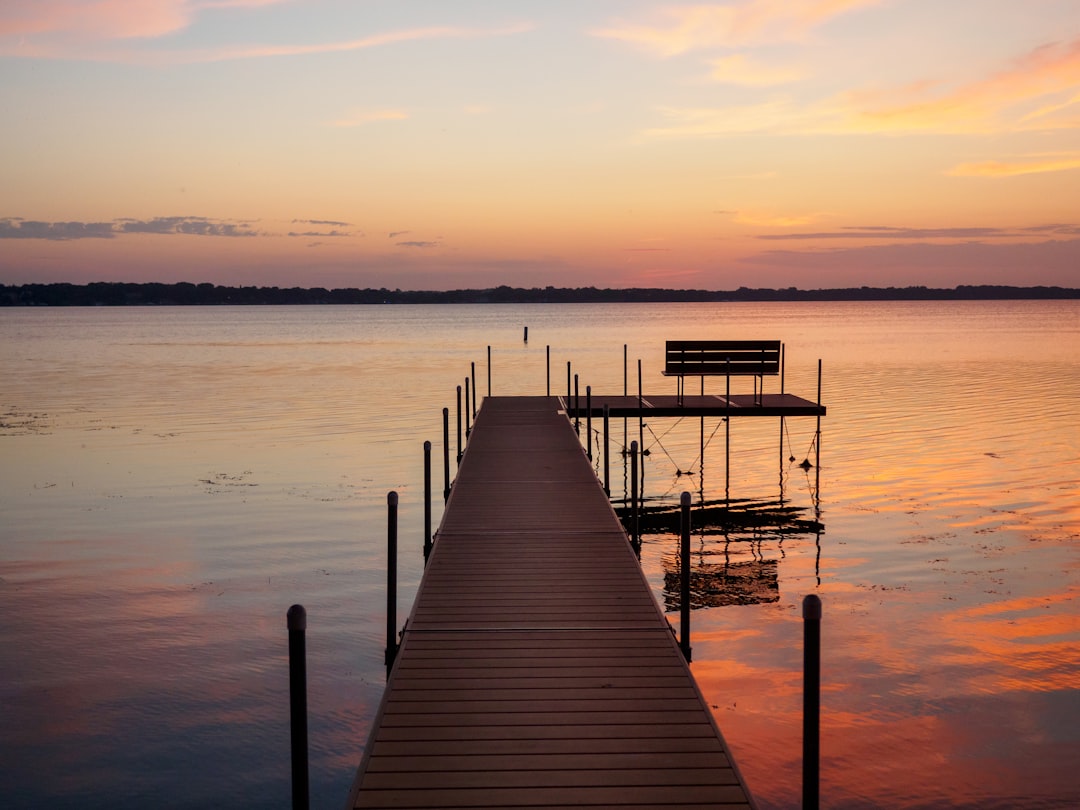
- Fixed Docks (or Piers): These are built on pilings driven directly into the seabed. They are stable and ideal for bodies of water with minimal water level fluctuation. When inspecting, focus on the pilings. They are the foundation of the dock, and their condition is paramount.
- Floating Docks: Perfect for areas with significant tidal changes or fluctuating reservoir levels, these docks rise and fall with the water. Your inspection should focus on the flotation devices (often called billets or drums) to ensure they are not cracked, waterlogged, or damaged. Also, check the gangway that connects the dock to the land; it must be strong and flexible enough to handle the movement.
- Crib Docks: This is a permanent structure consisting of a large wooden “crib” filled with rocks that sits on the lakebed or riverbed. They are incredibly sturdy but can be prone to shifting or settling over time. Check that the crib is level and that the timbers haven’t rotted away.
Key Materials to Inspect: Wood, Composite, and Aluminum
The decking and structural material of a dock will dictate its maintenance needs and lifespan.
| Material | Pros | Cons | What to Inspect |
|---|---|---|---|
| Pressure-Treated Wood | Most common, classic aesthetic, relatively inexpensive. | Requires regular staining/sealing, prone to rot, splintering, and insect damage. | Probe suspicious spots with a screwdriver for softness. Look for splintering, warping, and loose boards. Check for small holes in pilings, a sign of marine borers. |
| Composite Decking | Low-maintenance, durable, resistant to rot and insects. | Higher initial cost, can get hot in direct sun, some types can be slippery when wet. | Check for fading, deep scratches, or cracks. Crucially, inspect the underlying support structure (which is often wood) for soundness. |
| Aluminum | Lightweight, strong, resistant to rust, rot, and insects. | Highest initial cost, can be noisy to walk on, requires stainless steel hardware to prevent galvanic corrosion. | Inspect all welds for any signs of cracking. Ensure all bolts, screws, and other hardware are made of stainless steel. |
Critical Red Flags During an Inspection
When you walk on a dock, trust your senses. If something looks or feels off, it probably is.
- Visible leaning or sagging in any section of the dock.
- A spongy or soft feeling underfoot, indicating rot in the decking or support joists.
- Rusted hardware (bolts, screws, cleats), which can fail under load and stain the surrounding materials.
- Evidence of marine borer damage, which looks like a series of small holes or tunnels in wooden pilings.
- Missing or inadequate safety features, such as secure railings, ladders for water access, or proper lighting for nighttime use.
The Seawall: Your Property’s First Line of Defense
The seawall is your property’s first line of defense against erosion, making its structural integrity non-negotiable for long-term investment protection. While it may not be as exciting as a multi-level dock, the seawall (also known as a bulkhead) is arguably the most critical waterfront structure. Its sole purpose is to hold back the earth and prevent your yard from washing into the water. A failing seawall is one of the most expensive and disruptive problems a homeowner can face, with replacement costs often running into the tens or even hundreds of thousands of dollars.
Common Seawall Materials and What to Look For
The material used for a seawall often depends on the region and the type of water body.
- Concrete: A very common and durable option. Look closely for vertical or horizontal cracks. Minor hairline cracks may be cosmetic, but larger, structural cracks are a major concern. Also, look for spalling—where the surface of the concrete is chipping or flaking away, often exposing the rebar underneath.
- Vinyl or Composite: A modern, popular choice known for its long lifespan and resistance to marine borers. Look for any signs of bowing or bending between the support posts. Check the top “cap” to ensure it isn’t separating from the wall panels.
- Steel: Often used in commercial or industrial applications but also found in residential settings. Its main vulnerability is rust. Pay close attention to the waterline and the “splash zone,” as this is where corrosion is most likely to occur.
- Riprap: This is a more natural-looking barrier made of large, strategically piled boulders or rocks. It’s effective at dissipating wave energy. The key is to check for stones that have shifted or settled, creating gaps. Also, look for exposed filter fabric underneath, which indicates that soil is eroding from behind the wall.
Major Signs of Seawall Failure
Seawall failure is often a slow process, but the signs are usually visible long before a catastrophic collapse. Knowing what to look for is crucial when you’re ready to buy an oceanfront home.
- Leaning or Bowing: The most obvious sign of trouble. If the wall is visibly tilting outward toward the water, it’s under immense pressure and may be failing.
- Cracks: Any significant cracking, especially horizontal cracks in a concrete wall, suggests serious structural stress.
- Soil Loss: Look for sinkholes, depressions, or voids in the yard immediately behind the seawall. This is a classic sign that soil is washing out through cracks or gaps in the wall.
- Water Pooling: Seawalls are designed with “weep holes” to allow water to drain from the soil behind them. If you see water pooling in the yard after rain, it means the drainage system is clogged, and hydrostatic pressure is building up—a leading cause of wall failure.
The Boat Lift: Protecting Your Watercraft Investment
A properly functioning boat lift protects your watercraft investment from hull damage and marine growth, extending its life and reducing maintenance costs. If the property you’re considering includes a boat lift, view it as a significant asset. Keeping a boat’s hull out of the water prevents algae growth, blistering (osmosis), and corrosion, saving you a great deal of time and money on bottom painting and cleaning.
Understanding Different Lift Types
- Bottom-Standing (Freestanding): These lifts have legs that rest on the seabed and are best for calm, shallow water with a firm bottom.
- Floating Lifts: These are often attached to floating docks and are great for deep water or areas where pilings can’t be driven.
- Pile-Mount Lifts: The most common type, these are attached directly to the dock pilings, offering excellent stability and lifting capacity.
Evaluating Lift Condition: Cables, Motors, and Bunks
A thorough lift inspection is a must. Operate the lift (if possible) and pay attention to its performance.
- Cables: This is the most critical component. Inspect the stainless steel cables for any signs of fraying, rust, or broken strands. A single broken strand can compromise the integrity of the entire cable. Ask the owner when the cables were last replaced; a general rule of thumb is every 5 years, or sooner in saltwater environments.
- Motor and Gearbox: Listen for any loud or unusual grinding, whining, or clunking noises during operation. Look at the motor housing and gearbox for signs of corrosion, oil leaks, or water intrusion.
- Bunks: These are the carpeted boards that support the boat’s hull. The carpet should be thick and in good condition; worn-through carpet can scratch the gelcoat. Check the underlying wood bunks for any signs of rot or cracking.
- Weight Capacity: This is a crucial safety factor. Find the manufacturer’s plate or ask the owner for the lift’s rated weight capacity. Ensure it is more than sufficient for the fully loaded weight (including fuel, water, and gear) of the boat you own or plan to purchase. An undersized lift is a recipe for disaster.
Partnering with a Waterfront Specialist is Crucial
Partnering with a waterfront real estate specialist is crucial, as they possess the niche expertise to navigate the complexities of these structures during a home purchase. At homes-in-riverside.com, we understand that the benefits of waterside living come with unique responsibilities. A standard home inspection often provides only a superficial glance at these critical and costly waterfront assets, which is why specialized knowledge is essential.
Why a Standard Home Inspection Isn’t Enough
Most home inspectors are experts on houses, not marine construction. Their training and equipment are focused on foundations, roofs, and electrical systems.
- Many inspectors are not trained to identify subtle but serious issues like hydrostatic pressure behind a seawall or the extent of marine borer damage inside a piling.
- Their liability insurance often explicitly excludes docks, seawalls, and other marine structures, meaning they will only offer a cursory opinion, if any.
The Importance of a Professional Marine Inspection
As part of our service, we always recommend that buyers hire a qualified marine contractor or a structural engineer specializing in marine environments to perform a separate, detailed inspection.
- This expert can provide a realistic assessment of a structure’s condition, estimate its remaining functional lifespan, and provide detailed cost estimates for any necessary repairs or a full replacement.
- This information is one of the most powerful tools you can have when understanding closing costs and negotiating the final purchase price. A $30,000 seawall repair can significantly impact the property’s true value.
How homes-in-riverside.com Guides You
Finding the right agent is paramount when buying a specialized property.
- Our team lives and breathes waterfront real estate. We know the right questions to ask and the specific local conditions to consider.
- We maintain a network of trusted, local marine inspectors and contractors, connecting you with the experts needed to get a complete picture of the property’s condition.
- We help you interpret these complex inspection reports, ensuring you understand how the state of the dock, seawall, or lift impacts the overall value and your long-term enjoyment of your new home.
Final Checklist: Your Waterfront Structure Walkthrough
Before you get too attached to a property, use this quick checklist during your initial tour. If you spot any of these issues, it’s a clear signal that a professional marine inspection is non-negotiable.
- Dock: Does it feel stable and solid underfoot? Are there any wobbly railings, visibly rotten boards, or heavily rusted fasteners?
- Seawall: Stand back and look down its length. Is it straight and plumb, or is it leaning or bowing? Do you see any significant cracks or sinkholes in the yard directly behind it?
- Lift: Do the cables look clean and intact, or are they frayed and rusted? If you can operate it, does it run smoothly and quietly?
- Permits: Ask the seller or their agent if they have the original permits for the structures. This helps confirm they were built to code, which can be important for insurance and future modifications.
Exploring our current waterfront listings is the first step toward your dream. The next is ensuring that dream is built on a solid foundation—both on land and at the water’s edge.