
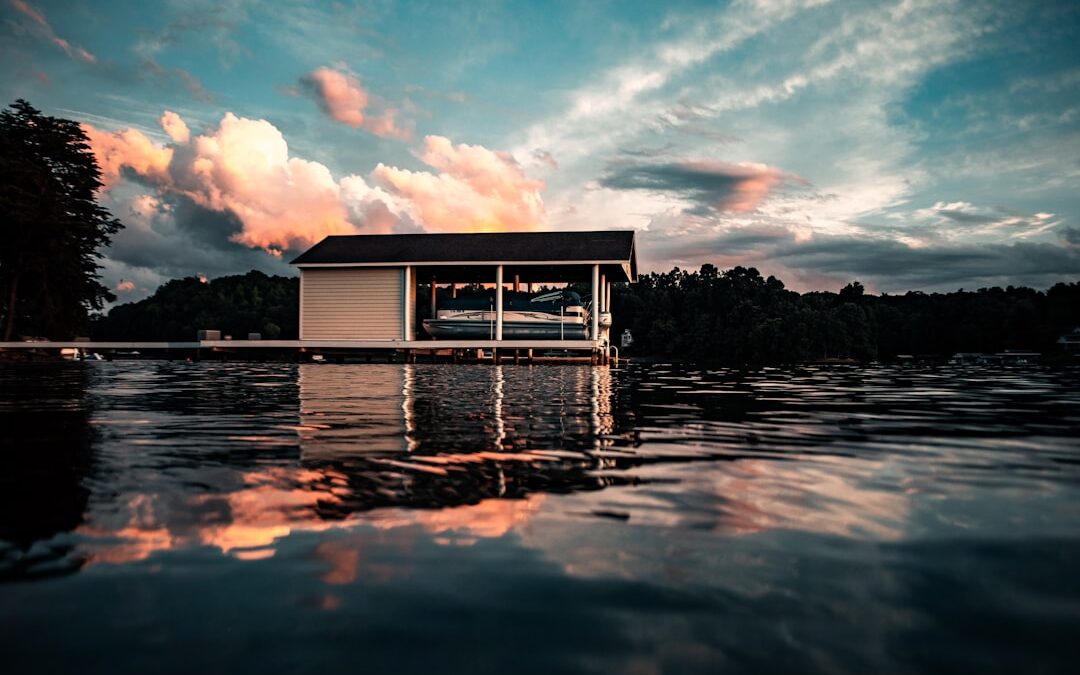
Oceanfront vs. Lakefront vs. Riverfront: Which Waterfront Lifestyle is Right for You?
The dream of living by the water is a powerful one. It’s the sound of waves crashing on the shore as you sip your morning coffee, the profound calm of a glass-still lake at dawn, or the gentle, persistent flow of a river winding past your backyard. While this dream is universal, the reality of each waterfront type is vastly different. Choosing the right one is about much more than just the view; it’s about choosing a lifestyle.

Here at homes-in-riverside.com, we are experts in turning waterfront dreams into reality. We understand that the perfect property isn’t just about the house; it’s about the lifestyle that comes with it, and we specialize in providing clear, authoritative information about waterfront properties. This guide is designed to help you navigate the unique characteristics of oceanfront, lakefront, and riverfront living to find the perfect match for you.
In this article, we’ll break down the key differences in lifestyle, costs, maintenance, and activities to help you decide which shore is calling your name.
Key Takeaways
- Oceanfront: Best for those who love the beach, saltwater activities, and dramatic views, but be prepared for higher costs, public access, and rigorous maintenance due to salt and storms.
- Lakefront: Ideal for families and those seeking a strong sense of community, freshwater sports, and four-season recreation. Water levels can fluctuate, and some lakes have seasonal accessibility.
- Riverfront: Offers a unique blend of tranquility and dynamic scenery, with opportunities for boating and fishing. Buyers must consider flood risks, water currents, and potential bank erosion.
- The Right Choice: Your ideal waterfront lifestyle depends on your priorities regarding recreation, privacy, budget, and tolerance for maintenance and environmental risks.
TL;DR
Choosing a waterfront home means picking a lifestyle, not just a location. Oceanfront living offers expansive views and beach culture at a premium price with high upkeep. Lakefront living provides a calmer, community-oriented experience centered on freshwater fun. Riverfront homes deliver dynamic, ever-changing scenery and direct boating access, but require careful consideration of flood zones and currents.
A Quick Comparison: Ocean vs. Lake vs. River at a Glance
| Feature | Oceanfront | Lakefront | Riverfront |
|---|---|---|---|
| Primary Vibe | Expansive, energetic, public | Serene, community-focused, recreational | Dynamic, tranquil, connected |
| Water Type | Saltwater | Freshwater | Freshwater |
| Typical Activities | Surfing, sunbathing, beachcombing, deep-sea fishing | Swimming, kayaking, water skiing, ice fishing | Boating, fishing, canoeing, bird watching |
| Average Cost | Highest | Moderate to High | Moderate |
| Key Challenge | Corrosion, storm risk, erosion | Water level changes, seasonal access | Flood risk, currents, bank stability |
| Privacy Level | Often lower due to public beaches | Varies; can be very private | Generally high privacy |
Oceanfront living offers dramatic views and beach access but comes with higher costs and maintenance.
The allure of the ocean is undeniable, promising the rhythm of the tides and endless horizons. This lifestyle is perfect for those who crave the energy of the coast and are prepared for the unique responsibilities that come with it. The decision to buy an oceanfront home is an investment in a specific way of life, one that is deeply connected to the power and beauty of the sea.

The Pros of Living on the Ocean
- Unmatched Scenery and Beach Access: The primary draw is, of course, the view. Waking up to panoramic sunrises or sunsets over the water is a daily luxury. Direct access to sandy beaches means your backyard is a playground for swimming, sunbathing, and building sandcastles. This constant connection to the water is one of the key benefits of waterside living.
- Active, Outdoor Lifestyle: The ocean encourages a lifestyle filled with activity. From surfing and paddleboarding to beach volleyball and long walks on the sand, there are endless opportunities to stay active. Coastal communities, like those in Florida, often have vibrant social scenes centered around beach life.
- Strong Investment Potential: Desirable oceanfront homes are a finite resource, which often helps them hold their value and appreciate over time. Their appeal to vacationers also creates high potential for lucrative rental income, turning your dream home into a smart financial asset.
The Cons of Living on the Ocean
- The Battle Against the Elements: Saltwater air is relentless and highly corrosive. It can cause metal to rust, wood to rot, and paint to peel at an accelerated rate. This means constant upkeep for everything from your HVAC unit and window frames to your car and outdoor grill.
- Higher Costs and Insurance: The premium for an ocean view is significant. These properties command top dollar and come with higher property taxes. Furthermore, homeowners insurance is substantially more expensive. According to the Insurance Information Institute, you will almost certainly need separate, mandatory flood insurance through the National Flood Insurance Program (NFIP) and may need additional windstorm coverage, all of which can add thousands to your annual expenses. Finding ways to lower your homeowner’s insurance becomes a top priority.
- Storms and Erosion: Homes on the coast are on the front lines for hurricanes, nor’easters, and tropical storms. Storm surge is a major threat, and long-term coastal erosion can gradually eat away at your property, potentially threatening your home’s foundation. The Federal Emergency Management Agency (FEMA) provides extensive resources on coastal construction and flood risks that are essential reading for any prospective buyer.
- Privacy and Tourists: Your slice of paradise may not be entirely private. Many beaches are public, meaning you’ll share your backyard with tourists and locals, especially during peak seasons. This can lead to issues with noise, foot traffic, and a general lack of seclusion.
Lakefront properties provide a serene, community-focused lifestyle centered on freshwater recreation.
A lakefront home is the quintessential escape, offering a peaceful retreat and a close-knit community vibe. It’s a versatile choice that can serve as a year-round residence in a place like Granbury, TX, or a seasonal getaway for the whole family. The process of buying a waterfront lake home often focuses on finding a place where memories can be made.
The Pros of Living on a Lake
- A Hub for Family and Friends: Lakes are natural gathering places. The calmer waters are perfect for teaching kids to swim, ski, or fish. Evenings are often spent around a bonfire, and the shared docks and community areas foster a strong sense of belonging among neighbors.
- Versatile Four-Season Activities: Depending on the climate, lake life isn’t just for summer. Water skiing, tubing, and kayaking dominate the warm months. Autumn brings stunning foliage reflected on the water, perfect for tranquil canoe trips. In colder regions, the lake transforms into a winter playground for ice fishing, skating, and snowmobiling.
- Calmer Waters and Environment: Freshwater is much gentler on your property and possessions than saltwater. Boats, docks, and lifts last longer with less maintenance. The environment is typically more sheltered from high winds and dramatic storms compared to the open ocean, providing a more tranquil atmosphere.
The Cons of Living on a Lake
- Fluctuating Water Levels: Lake levels can change dramatically due to drought, seasonal rainfall, or dam controls. A severe drought could leave your dock high and dry, making boat access impossible. Conversely, heavy rains can lead to localized flooding.
- Seasonal Population: Many lake communities are highly seasonal. They can be bustling with energy and activity in the summer but become very quiet, and sometimes isolated, in the off-season. This can be a pro for those seeking solitude but a con if you prefer a year-round vibrant community.
- Bugs and Wildlife: Still or slow-moving freshwater is a breeding ground for insects, especially mosquitoes. You’ll need to factor in pest control measures like screened-in porches or professional spraying. You’ll also have more frequent encounters with local wildlife, which can be a charming perk or a nuisance depending on the species.
Riverfront homes offer a unique blend of dynamic scenery and convenient access to inland towns and cities.
Living on a river means witnessing a constantly changing landscape. The gentle flow, passing boats, and abundant wildlife provide a unique connection to nature that is both calming and ever-moving. Riverfront homes offer a distinct experience, blending seclusion with a sense of connection to the world flowing by.
The Pros of Living on a River
- Ever-Changing Views: Unlike the static horizon of a lake or ocean, a river offers a dynamic panorama. The constant current, the seasonal shifts in foliage along the banks, the variety of birds and wildlife, and the occasional passing boat create a view that is never the same twice.
- Boating and Fishing Paradise: A river is your highway to adventure. You can enjoy easy access for boating, often with the ability to travel from town to town or to larger bodies of water. Rivers are also prime spots for fishing, with different species inhabiting different parts of the current. Learning what you need to know about waterfront river homes is key to maximizing this lifestyle.
- Greater Privacy and Natural Beauty: Riverfront lots are often larger, more wooded, and set further back from the water than their ocean or lake counterparts. This topography can offer a wonderful sense of privacy and seclusion, making you feel like you’re in your own private nature preserve.
The Cons of Living on a River
- Flood Risk is a Major Concern: This is the single most significant challenge for riverfront property owners. Many homes are located in designated floodplains, making comprehensive flood insurance an absolute necessity. You must research the property’s flood history and elevation and be prepared for the possibility of evacuation during periods of heavy rain or spring snowmelt.
- Currents and Debris: Strong river currents can pose a safety risk, especially for inexperienced swimmers. The flow can also carry logs, branches, and other debris downstream, which can damage docks, boats, and shorelines, requiring regular inspection and maintenance.
- Bank Erosion and Stability: The river’s current is a powerful force that can gradually erode the bank of your property. Over time, this can threaten the stability of your land and any structures on it. Many homeowners must invest in costly stabilization measures like retaining walls or riprap to protect their property line.
Navigating the market for a waterfront property requires specialized knowledge and due diligence.
Buying a home on the water is more complex than a typical real estate transaction. As specialists in the field, we at homes-in-riverside.com guide our clients through the unique considerations to ensure they make a sound investment. The process involves much more than just appreciating the view; it requires a deep understanding of the environment.
Key Questions to Ask Yourself
- What is my primary goal? Are you looking for a hub for family recreation, a place of quiet solitude, or an investment property for rental income? Your answer will point you toward a specific type of waterfront.
- What is my budget for purchase and long-term maintenance? You must factor in not just the purchase price and closing costs, but also the ongoing costs of specialized insurance, potential seawall or bulkhead repairs, dock maintenance, and corrosion control.
- How much privacy do I need? Consider the difference between a bustling public beach, a quiet community lake cove, and a secluded, wooded riverbank.
- What activities are most important to me and my family? If you dream of surfing, the ocean is your only choice. If you love the idea of water skiing on calm water, a lake is ideal. If you’re an avid angler or kayaker who enjoys exploring, a river might be the perfect fit.
Why a Specialized Agent Matters
There are many reasons you should work with a Realtor, but this is especially true for complex waterfront purchases. Finding the right agent who specializes in these properties is crucial.
- Understanding Regulations: A knowledgeable agent can help you navigate a maze of complex zoning laws, shoreline regulations (like the Clean Water Act), local building restrictions, and easements that can affect what you can do with your property.
- Essential Inspections: We can connect you with inspectors who specialize in the unique features of waterfront homes, including docks, seawalls, bulkheads, boat lifts, and septic systems designed for waterside environments.
- Assessing the Water Itself: An expert can help you research critical information that isn’t obvious at first glance, such as historical water quality reports, the property’s flood history, and any restrictions on navigational access or boat motor size for the specific property you’re considering.
Your Perfect Waterfront Awaits
Ultimately, the choice between an oceanfront, lakefront, or riverfront home is a deeply personal one. It’s about aligning the unique character of the water with the lifestyle you want to live. The vibrant energy of the ocean, the peaceful serenity of the lake, and the dynamic charm of the river each offer a distinct and wonderful way of life. By understanding the pros, cons, and responsibilities of each, you can move confidently toward making your waterfront dream a reality.