
Fortifying Your Louisiana Waterfront Home: 5 Ways to Combat Humidity and High Energy Costs
The allure of Louisiana waterfront living is undeniable. It’s a lifestyle painted with scenes of Spanish moss dangling from ancient oaks, the gentle lapping of water against a dock, and sunsets that set the bayou sky ablaze. But as anyone who calls this paradise home knows, this idyllic picture comes with two persistent challenges: the oppressive, inescapable humidity and the high energy bills that follow its trail.
This humidity isn’t just a matter of comfort; it’s a relentless force that can seep into your home’s structure, promote mold growth, and strain your air conditioner to its breaking point. The result is a constant battle to stay cool and dry, a fight often waged with a thermostat set to “arctic” and a wallet that feels the pain every month.
Here at homes-in-riverside.com, we’re not just about showing you beautiful waterfront properties; we’re your partners in navigating the realities of this unique lifestyle. We believe that with the right knowledge, you can enjoy the best of Louisiana living without the constant battle against the climate. This article will provide five practical, powerful strategies for “fortifying” your home against humidity and high energy costs, making your dream waterfront life more comfortable, durable, and affordable.
Key Takeaways
- Upgrade to a high-efficiency HVAC system with a dedicated dehumidifier to tackle moisture and temperature separately.
- Use strategic landscaping and exterior shading like awnings and native trees to block solar heat before it enters your home.
- Seal your home’s envelope with proper insulation and meticulous air sealing techniques to prevent humid air intrusion.
- Invest in modern, energy-efficient windows and doors specifically designed for hot, humid climates.
- Leverage smart home technology, including thermostats and fans, to automate and optimize your home’s climate control for maximum efficiency.
TL;DR
Living on the Louisiana waterfront is a dream, but humidity and high A/C bills are a reality. To protect your home and wallet, focus on five key areas: 1) Get a right-sized HVAC with a dehumidifier. 2) Use trees and awnings for shade. 3) Seal all air leaks and upgrade your insulation. 4) Install energy-efficient windows. 5) Use smart thermostats and fans to automate your cooling. These steps will make your home more comfortable, durable, and affordable to run.
1. A High-Efficiency HVAC System with a Dehumidifier is Your First Line of Defense Against Louisiana’s Humidity.
A common mistake is thinking a colder A/C setting is the only way to feel comfortable, but removing moisture from the air is often more important. A modern, correctly sized HVAC system paired with a dehumidifier tackles both temperature and humidity efficiently, preventing that damp, clammy feeling that makes you crank the thermostat down.
Why “Bigger” Isn’t Better for Your A/C
In the sweltering Louisiana heat, it’s tempting to think a massive air conditioning unit is the best solution. However, an oversized A/C is one of the most common and costly mistakes a homeowner can make. This leads to a phenomenon called “short cycling.”
- Short Cycling: This occurs when an oversized unit cools the air too quickly, satisfying the thermostat’s temperature setting before it has had a chance to run long enough to remove adequate moisture from the air. The system shuts off, the temperature rises quickly, and it cycles back on again, repeating the inefficient process. This leaves you with a cool but damp and uncomfortable home, all while causing excessive wear and tear on your HVAC components.
To avoid this, insist on a professional load calculation. According to the U.S. Department of Energy, contractors should perform a Manual J load calculation to determine the precise size and capacity your home needs. This analysis considers factors like your home’s square footage, window efficiency, insulation levels, and local climate to ensure your system is perfectly matched to your needs.
The Power of a Whole-Home Dehumidifier
While your A/C removes some humidity as a byproduct of cooling, its primary job is to lower the temperature. A whole-home dehumidifier is a specialized tool designed for one purpose: controlling moisture.
| Feature | Portable Dehumidifier | Whole-Home Dehumidifier |
|---|---|---|
| Coverage | Single room or small area | Entire house |
| Integration | Standalone unit, requires manual emptying | Integrates with existing HVAC ductwork |
| Control | Manual controls on the unit | Controlled by your central thermostat |
| Maintenance | Frequent emptying of water basin | Annual professional service |
| Efficiency | Less efficient for whole-house control | Highly efficient, works in tandem with A/C |
An integrated system works with your HVAC to maintain a target humidity level—ideally between 40-50%, as recommended by the Environmental Protection Agency to prevent mold growth. By handling the moisture load, the dehumidifier allows your A/C to focus solely on cooling, reducing its runtime and extending its lifespan. This synergy results in superior comfort, better indoor air quality, and lower energy bills.
2. Strategic Landscaping and Exterior Shading Can Drastically Reduce Your Home’s Solar Gain and Cooling Load.
Before the sun’s intense heat can even touch your house, you can block it with natural and man-made barriers. This simple, often overlooked strategy acts as a passive cooling system, significantly lowering the amount of work your air conditioner has to do and directly cutting your energy costs.
Harnessing Nature: Planting for Shade
Thoughtfully placed trees can be a beautiful and effective way to cool your home. The key is to focus on the south and west-facing sides of your property, which receive the most intense sun during the hottest parts of the day.
For Louisiana, it’s best to choose native, hardy trees that are well-adapted to the climate and soil.
- Live Oaks (Quercus virginiana): These iconic Southern trees provide a dense, wide canopy of shade year-round.
- Bald Cypress (Taxodium distichum): A classic bayou tree, it’s incredibly tolerant of wet soil, making it perfect for waterfront properties.
Beyond cooling, these trees offer significant benefits for a waterfront home. Their root systems help stabilize the soil and prevent erosion, a critical concern along rivers and lakes. They also reduce the harsh glare that reflects off the water’s surface.
Built to Block: Awnings, Shutters, and Solar Screens
While interior blinds and curtains help, exterior shading solutions are far more effective because they stop the solar energy before it can pass through your window glass and heat your home.
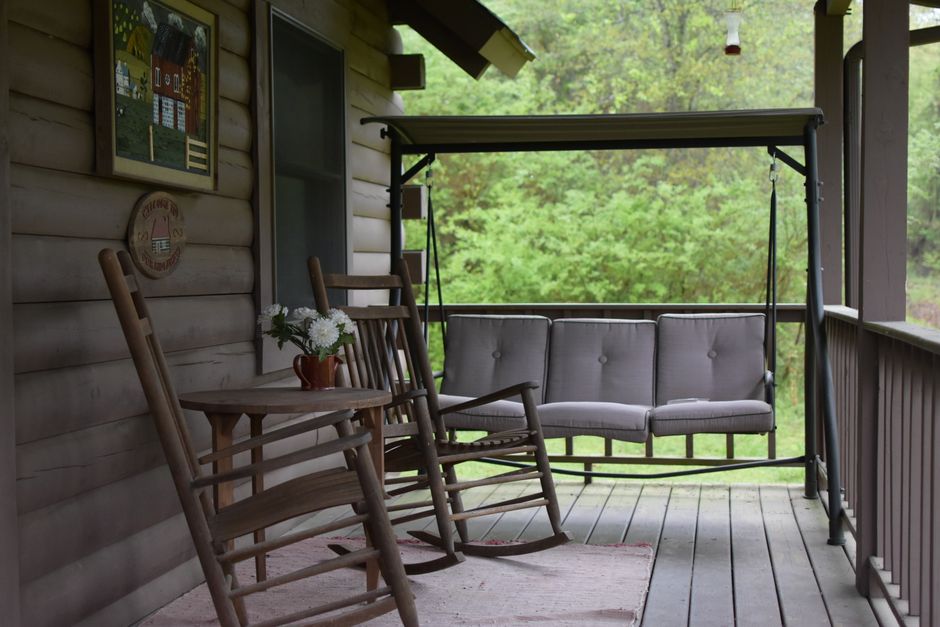
- Deep Porches & Overhangs: Classic Louisiana architecture inherently understands this principle. Deep, covered porches are not just for rocking chairs; they are a brilliant passive cooling design.
- Bahama Shutters: These louvered, top-hinged shutters are both functional and stylish. They block direct sunlight while still allowing for airflow and a view.
- Retractable Awnings: A modern solution that offers flexibility. You can extend them for shade on hot, sunny days and retract them to let in warmth during cooler months.
- Solar Screens: These mesh screens are installed on the exterior of windows and can block up to 90% of the sun’s heat without significantly obstructing the view.
3. Sealing Your Home’s Envelope with Proper Insulation and Air Sealing Prevents Humid Air from Infiltrating Your Living Space.
Your home’s walls and roof are a protective shell, but tiny, invisible gaps can let in a constant stream of hot, moist Louisiana air, forcing your HVAC system to work overtime. Fortifying this “envelope” with modern insulation and meticulous air sealing is a one-time investment that pays dividends in comfort and savings for years.
The Hunt for Air Leaks
Humid air will find any path it can to get inside. A thorough audit of your home can reveal surprising points of entry. Common culprits include:
- Gaps around window and door frames
- Penetrations for electrical wiring, plumbing, and ductwork
- Recessed lighting fixtures
- Attic access hatches
- Wall-mounted electrical outlets and switches
You can perform a simple DIY audit by carefully moving a lit incense stick around these areas on a windy day; where the smoke wavers, you have a leak. For a more comprehensive assessment, a professional energy audit featuring a blower door test can precisely measure your home’s air leakage rate and pinpoint the exact sources.
Insulation That Fights Moisture
In a humid climate, not all insulation is created equal. You need a material that not only resists heat transfer but also stops moisture.
- Closed-Cell Spray Foam Insulation: This is widely considered the gold standard for humid climates. When professionally applied, it expands to fill every crack and crevice, creating a powerful, seamless barrier that blocks air, heat, and moisture all in one. For a comprehensive approach to air sealing and insulation, many Louisiana homeowners turn to the professionals at Sunlight Contractors, who have served the spray foam insulation needs of the region for well over a decade.
- Rigid Foam Board: These panels are another excellent choice, particularly for walls, crawl spaces, and foundations. They have a high R-value per inch and are impermeable to moisture, preventing it from wicking into your home’s structure.
4. Investing in Energy-Efficient Windows and Doors is Crucial for Blocking Heat and Moisture in a Waterfront Setting.
Windows and doors are the biggest weak points in a home’s defense against the elements, especially in a demanding waterfront environment. Modern, high-performance units are engineered not just for beautiful views, but to repel solar heat, resist moisture intrusion, and stand up to coastal weather.
Decoding the Sticker: U-Factor and SHGC
When shopping for windows, you’ll see a sticker from the National Fenestration Rating Council (NFRC) with two critical ratings for our climate:
- U-Factor: This measures how well the window prevents heat from escaping. For our purposes, it also indicates how well it keeps heat out. The lower the U-Factor, the better it insulates.
- Solar Heat Gain Coefficient (SHGC): This measures how much solar radiation is admitted through the window. A lower SHGC means less of the sun’s heat is getting inside to warm up your room.
For a hot and humid climate like Louisiana’s, ENERGY STAR recommends looking for windows with a low U-Factor and a low SHGC.
Frame Materials and Impact Ratings
The material your window frames are made from is just as important as the glass. Wood can be beautiful but is susceptible to rot and warping in high humidity. Aluminum conducts heat readily. For Louisiana, consider:
- Vinyl: Cost-effective, low-maintenance, and highly resistant to moisture.
- Fiberglass: Extremely strong, durable, and won’t warp, rot, or corrode, making it an excellent choice for coastal areas.
Furthermore, consider investing in impact-rated (hurricane) windows. While their primary purpose is storm protection, they offer a powerful secondary benefit. To achieve their impact rating, these windows are built with laminated glass and incredibly robust frames, which also makes them exceptionally energy-efficient and excellent at sealing out air and noise. This upgrade can significantly improve your comfort and may even lead to savings on your homeowner’s insurance premiums.
5. Smart Home Technology Empowers You to Actively Manage Your Home’s Climate and Energy Consumption.
You can now use technology to create a home that automatically adjusts to the climate and your lifestyle, saving energy without sacrificing comfort. Smart thermostats, fans, and blinds work together to create a responsive environment that anticipates needs and minimizes waste, turning your home into an efficient, self-regulating oasis. These eco-friendly upgrades can also boost your home’s value.
The Smart Thermostat Advantage
A modern smart thermostat goes far beyond a simple programmable schedule. These devices use advanced algorithms and sensors to optimize your home’s climate.
- Learning & Geofencing: They learn your daily routines and automatically adjust the temperature for when you’re home, away, or asleep. Geofencing uses your phone’s location to know when you’re approaching home and begins cooling it down just in time for your arrival.
- Remote Control & Reporting: You can adjust your home’s temperature from anywhere using a smartphone app. They also provide detailed energy usage reports, showing you exactly when and how you’re using the most energy so you can make smarter choices.
- Humidity Sensing: Many advanced models include humidity sensors and can be programmed to work with your whole-home dehumidifier to maintain a target humidity level, not just a target temperature.
Creating an Automated Cooling Ecosystem
A smart thermostat is just the beginning. By integrating other smart devices, you can create a powerful, automated system.
- Smart Ceiling Fans: These fans can connect to your thermostat and automatically turn on when a room becomes occupied. The “wind-chill effect” they create can make you feel several degrees cooler, allowing you to raise the thermostat setting without feeling any less comfortable.
- Automated Blinds and Shades: Program your blinds to automatically close on west-facing windows during the hot afternoon hours, providing an extra layer of defense against solar heat gain without you ever having to think about it.
Finding a Home That’s Already Fortified
Tackling these upgrades in an existing home is a fantastic investment. But what if you could find a Louisiana waterfront home that already has these features? As experts in the local real estate market, the team at homes-in-riverside.com knows what to look for. We help our clients identify properties with updated HVAC systems, energy-efficient windows, and superior insulation.
When you browse our listings for waterfront lake homes or riverfront retreats, you’re getting more than just photos—you’re getting insights into the features that make a home truly livable and affordable in our unique climate. We help you look past the view and see the value in a well-fortified home.
Embrace Louisiana Waterfront Living, Intelligently
Living on the water in Louisiana doesn’t have to mean a trade-off between comfort and cost. By implementing these five key strategies—a smart HVAC system, strategic shading, a sealed envelope, efficient windows, and smart technology—you take control of your environment. You transform your home from a passive structure that succumbs to the climate into an active fortress that works for you. By fortifying your home, you can spend less time worrying about humidity and more time enjoying the unparalleled beauty of the Louisiana waterfront lifestyle to its absolute fullest.