

Flood Insurance Isn’t Enough: A Homeowner’s Guide to Total Waterfront Property Protection
At homes-in-riverside.com, we don’t just help you find the perfect waterfront home; we empower you to protect it. Living by the water is a dream, but that dream requires a realistic understanding of the risks involved. The sound of waves, the stunning views, and direct access to nature are some of the benefits of waterside living, but they come with unique responsibilities.
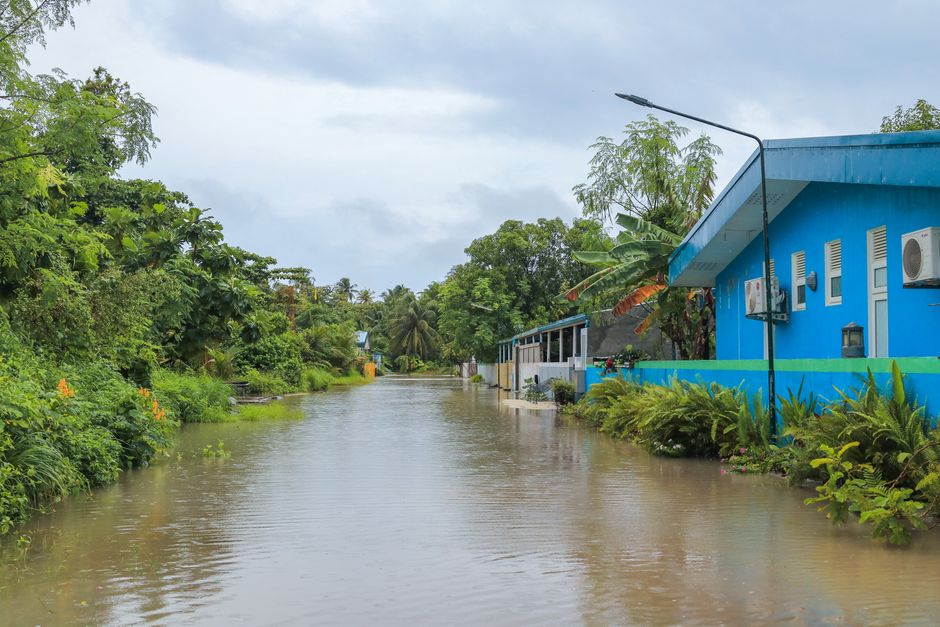
Many new waterfront homeowners believe that a standard homeowner’s policy plus a flood insurance policy creates an impenetrable shield. Unfortunately, this common assumption can lead to devastating financial gaps when disaster strikes. The reality is that water damage is complex, and insurance policies are highly specific about what they cover.
This guide will walk you through why flood insurance is only the first step and provide a comprehensive checklist for total waterfront property protection—from specialized insurance riders to physical home fortifications.
Key Takeaways
- Standard flood insurance, like the National Flood Insurance Program (NFIP), has significant coverage limitations, often excluding basements, landscaping, and additional living expenses.
- Waterfront properties face multiple threats beyond rising water, including wind damage, soil erosion, and saltwater corrosion, which require separate insurance coverage and mitigation strategies.
- A multi-layered approach combining the right insurance policies (windstorm, excess flood) with physical home improvements (impact windows, elevation) is the only way to achieve total protection.
- Partnering with a real estate expert who specializes in waterfront properties can help you assess a home’s specific risks before you buy.
TL;DR
To fully protect a waterfront home, homeowners need more than just standard flood insurance. A comprehensive strategy requires understanding the gaps in flood policies, securing additional coverage for risks like wind and erosion, and implementing physical upgrades to the property to mitigate potential damage.
Standard flood insurance policies have significant coverage gaps that can leave waterfront homeowners financially exposed.
The most common type of flood insurance in the United States is provided by the federal government’s National Flood Insurance Program (NFIP). While it’s an essential policy for anyone in a flood-prone area, it is not a catch-all solution. Understanding its limitations is the first step toward building a truly comprehensive protection plan.
What Your NFIP Policy Typically Excludes
An NFIP policy is designed with very specific definitions and limits. According to FEMA, the program defines a flood as “an excess of water on land that is normally dry, affecting two or more acres of land or two or more properties.” Damage from sources that don’t meet this definition won’t be covered. Here’s what is often left out:
- Below-Grade Areas: Basements, cellars, and crawlspaces have extremely limited coverage. The NFIP will typically only cover structural elements and essential equipment like furnaces, water heaters, and circuit breakers. It will not cover finished elements like walls, floors, or personal belongings stored in a basement.
- Property Outside Your Home: The policy is designed to protect the structure of your home and its contents, not the land it sits on. This means there is generally no coverage for landscaping, trees, decks, patios, fences, seawalls, or swimming pools. These are often the first and most expensive items to be damaged in a flood.
- Loss of Use / Additional Living Expenses (ALE): This is one of the most significant gaps. If a flood makes your home uninhabitable, the NFIP policy will not pay for your hotel stays, rent for a temporary apartment, or other living expenses while repairs are made. This coverage is standard in most homeowner’s policies for events like fires but is absent from federal flood insurance.
- High-Value Items and Vehicles: The NFIP places strict limits on coverage for valuables like artwork and furs, typically capping it at $2,500. Furthermore, vehicles damaged by floodwaters are not covered by any home or flood policy; this protection falls under the optional comprehensive coverage in your auto insurance policy.
Your property faces serious water-related threats that aren’t technically considered ‘flooding’.
Waterfront homeowners must expand their definition of risk beyond rising tides or overflowing riverbanks. Many forms of water damage that seem like “flooding” are excluded from flood insurance policies because they don’t meet the specific definition of a flood event.
Wind and Hail Damage
This is a critical distinction, especially in coastal areas prone to hurricanes. If high winds from a storm tear a hole in your roof and rain pours in, the resulting damage is considered wind-driven rain. This event is typically covered by a standard homeowner’s policy or a separate windstorm policy. However, if storm surge causes water to rise from the ground and enter your home, that is a flood event covered by flood insurance. It’s possible for both events to happen simultaneously, leading to complex claims that require multiple policies.
Soil Erosion and Landslides
The constant presence of water, whether from wave action on a beachfront home or the current of a river, can gradually destabilize the ground your home is built on. A major storm can accelerate this process, leading to soil erosion or even a landslide. This type of “earth movement” is almost universally excluded from both standard homeowner’s and flood insurance policies, often requiring a separate, specialized policy known as a “difference in conditions” policy.
Mold and Moisture Damage
After any water intrusion, mold is an almost inevitable secondary threat. It can begin to grow within 24-48 hours and can be incredibly expensive to remediate. While flood insurance may cover mold damage directly resulting from a covered flood, the coverage is often limited and subject to strict timelines and requirements for mitigation. If you fail to properly dry out the property immediately, your claim for mold remediation could be denied.
Saltwater Corrosion
For those lucky enough to buy an oceanfront home, the salty air is part of the charm. However, that same salt spray is highly corrosive. Over time, it can damage and destroy metal components, including HVAC units, window frames, metal roofing, and even structural connectors like nails and hurricane straps. This slow-moving damage is considered routine wear and tear and is not covered by any insurance policy. It requires diligent maintenance and the use of corrosion-resistant materials.
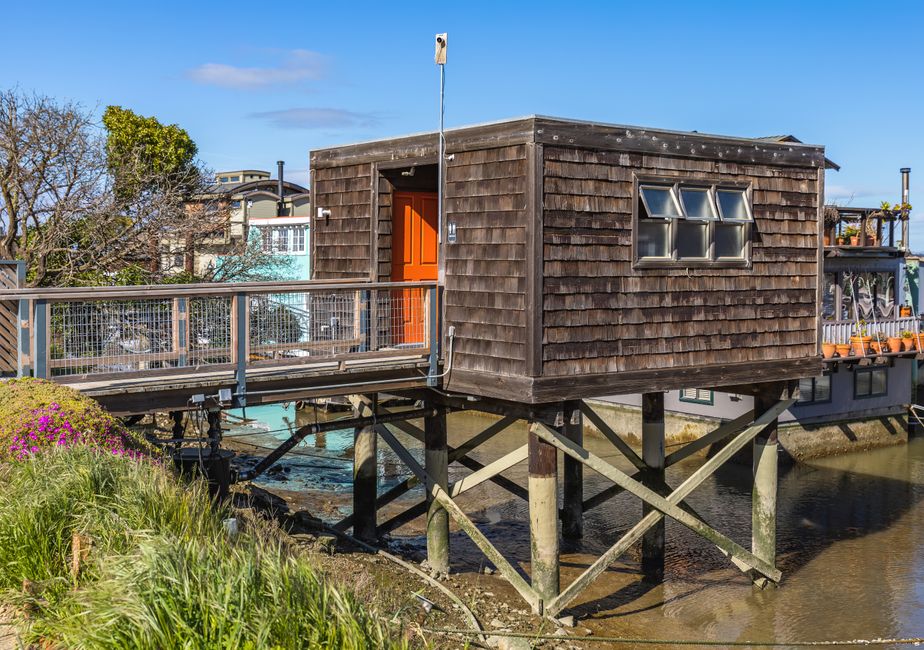
A complete insurance portfolio is your first line of financial defense.
Relying on a single policy is not enough. To properly protect your investment, you need a layered portfolio of insurance products that work together to cover the wide array of potential risks. When buying a waterfront lake home or a coastal retreat, discussing these options with an insurance professional is just as important as the home inspection.
Must-Have: Windstorm or Hurricane Insurance
In many coastal states, damage from wind and hail is excluded from a standard homeowner’s policy and must be purchased separately. This can be a standalone windstorm policy or a specific “hurricane” rider. Be aware that these policies often come with a separate, much higher deductible than your standard policy. This “named storm deductible” is usually a percentage of your home’s insured value (typically 1% to 5%), not a flat dollar amount.
Strongly Consider: Excess Flood Insurance
The NFIP provides a maximum of $250,000 in coverage for your home’s structure and $100,000 for its contents. For many waterfront properties, this is simply not enough to cover a total loss. Excess flood insurance is a private policy that provides coverage above these federal limits, ensuring you can fully rebuild your home and replace your belongings. It can also be used to fill other gaps, sometimes offering coverage for additional living expenses.
Essential Add-ons: Sewer Backup and Sump Pump Failure
One of the most common causes of water damage has nothing to do with the weather. If a municipal sewer line backs up or your home’s sump pump fails during a power outage, the resulting water damage in your basement or ground floor is typically excluded from both homeowner’s and flood insurance. Fortunately, you can add a specific rider or endorsement to your homeowner’s policy to cover these events. It’s usually inexpensive and provides crucial protection against a frequent and messy problem.
Physical fortifications can drastically reduce damage and lower your insurance premiums.
Insurance is a financial tool to help you recover after a disaster. Physical home improvements are proactive measures that can prevent or minimize the damage in the first place. Many of these upgrades can also lead to significant discounts on your insurance premiums, making them a wise investment. There are many things that can lower your homeowner’s insurance, and fortifying against water is a major one.
Fortify Your Home’s Envelope
The “envelope” is the outer shell of your house that protects it from the elements.
- Windows and Doors: In high-wind areas, impact-resistant windows or hurricane shutters are essential for preventing a breach that could lead to catastrophic structural failure.
- Roof: A modern, sealed roof deck, high-wind-rated shingles, and hurricane straps that connect the roof to the walls are critical for keeping your roof intact during a major storm.
- Garage Door: A standard garage door is often the largest and weakest point on a home. Bracing your existing door or replacing it with a hurricane-rated model can prevent it from blowing in and pressurizing the house from the inside.
Manage the Water Around Your Property
Controlling how water behaves on your land is key to protecting your foundation.
- Elevation: The single most effective flood-proofing measure is elevation. This can mean building a new home on stilts or piers, or elevating an existing home. At a minimum, critical utilities like the HVAC unit, water heater, and electrical panel should be elevated above the potential flood level.
- Landscaping and Grading: Smart landscaping can make a huge difference. Grading your yard to slope away from the house, along with installing French drains, swales, or rain gardens, can effectively channel rainwater away from your foundation.
- Living Shorelines & Seawalls: To combat long-term erosion, property owners can use hardened structures like concrete seawalls and bulkheads or, increasingly, “living shorelines.” These natural solutions use native plants, marshes, and oyster reefs to absorb wave energy and stabilize the soil, offering an eco-friendly and effective defense.
An expert real estate agent is your guide to assessing a property’s true waterfront risk.
Navigating the complexities of insurance, building codes, and environmental risks can be overwhelming. This is why it is vital to work with a professional who specializes in waterfront properties. An expert agent provides value far beyond just finding homes with a great view; they act as your primary risk assessor.
Looking Beyond the View
A specialized agent, like those at homes-in-riverside.com, knows what to look for when you’re considering a property on a river, lake, or ocean. They can help you investigate a property’s history and its specific vulnerabilities.
- Flood Zone and Elevation Certificates: An experienced agent knows how to read and interpret these critical documents. They can explain what a property’s flood zone designation means for your insurance costs and what the elevation certificate reveals about its safety margin above the base flood elevation.
- Previous Insurance Claims: They can guide you through the process of requesting a property’s claim history (such as a CLUE report). A history of water-related claims can be a major red flag, potentially making the home difficult or expensive to insure in the future.
- Local Knowledge: There is no substitute for on-the-ground experience. A local waterfront specialist understands the nuances of the area—which coves are more susceptible to storm surge, which river bends are prone to erosion, and which neighborhoods have a history of drainage issues. This is the kind of insight you won’t find on a national real estate portal. Finding the right agent is a crucial step in your journey.
Protecting Your Waterfront Dream
Protecting your waterfront dream home is about building layers of defense. Flood insurance is a critical, but incomplete, foundation. A true sense of security comes from combining a comprehensive insurance portfolio with smart, physical fortifications and, most importantly, starting with a clear-eyed assessment of a property’s true risk.
While the risks are real, the rewards of waterfront living are undeniable. With the right knowledge and preparation, you can enjoy the view with peace of mind, confident that you have taken every step to protect your beautiful and valuable asset.